Use Cases
Real-world printed electronics projects
Explore use cases by industries, applications, white papers, and customer stories.
Industries
Browse additive electronic applications across industries.

Automotive
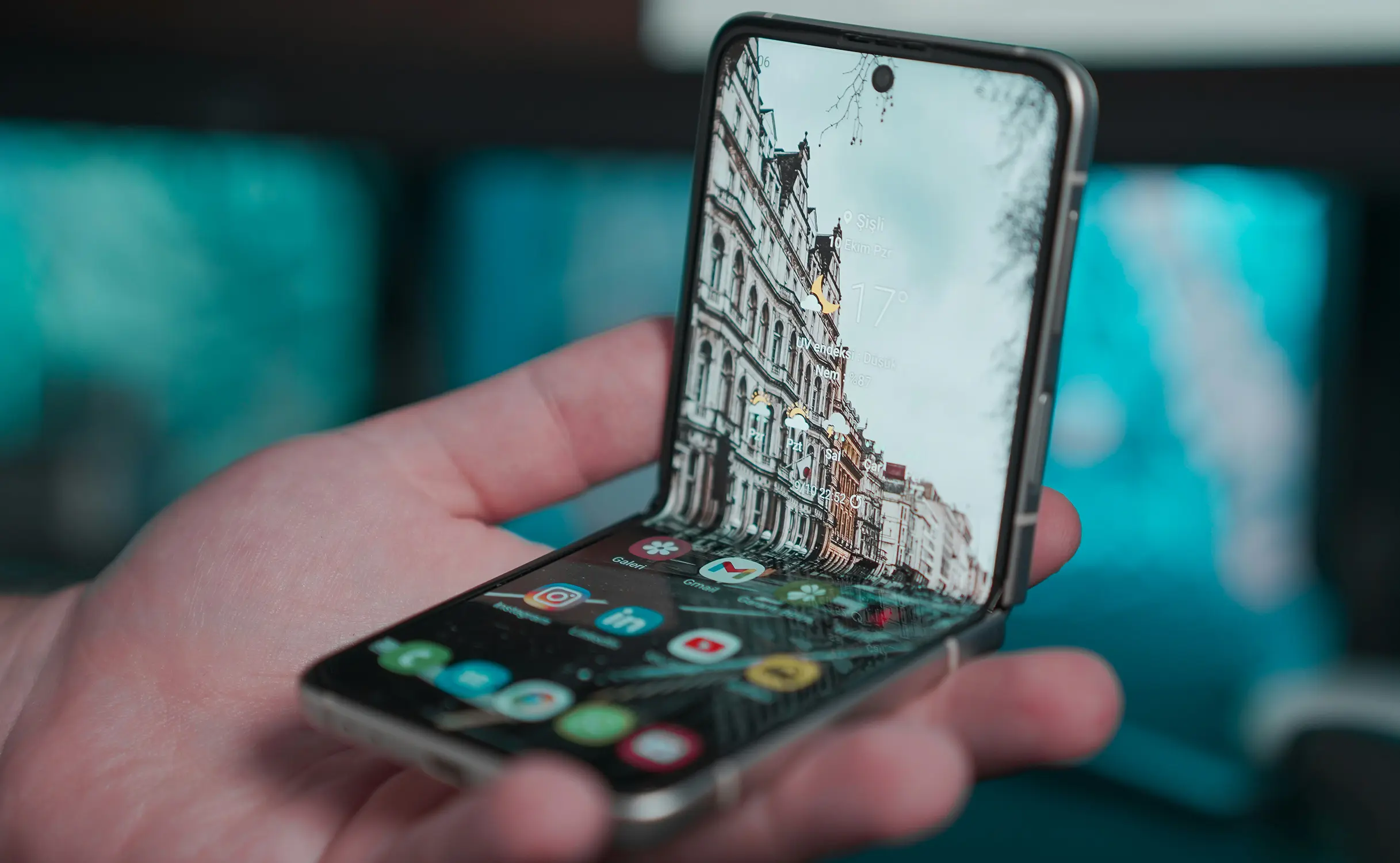
Consumer Electronics
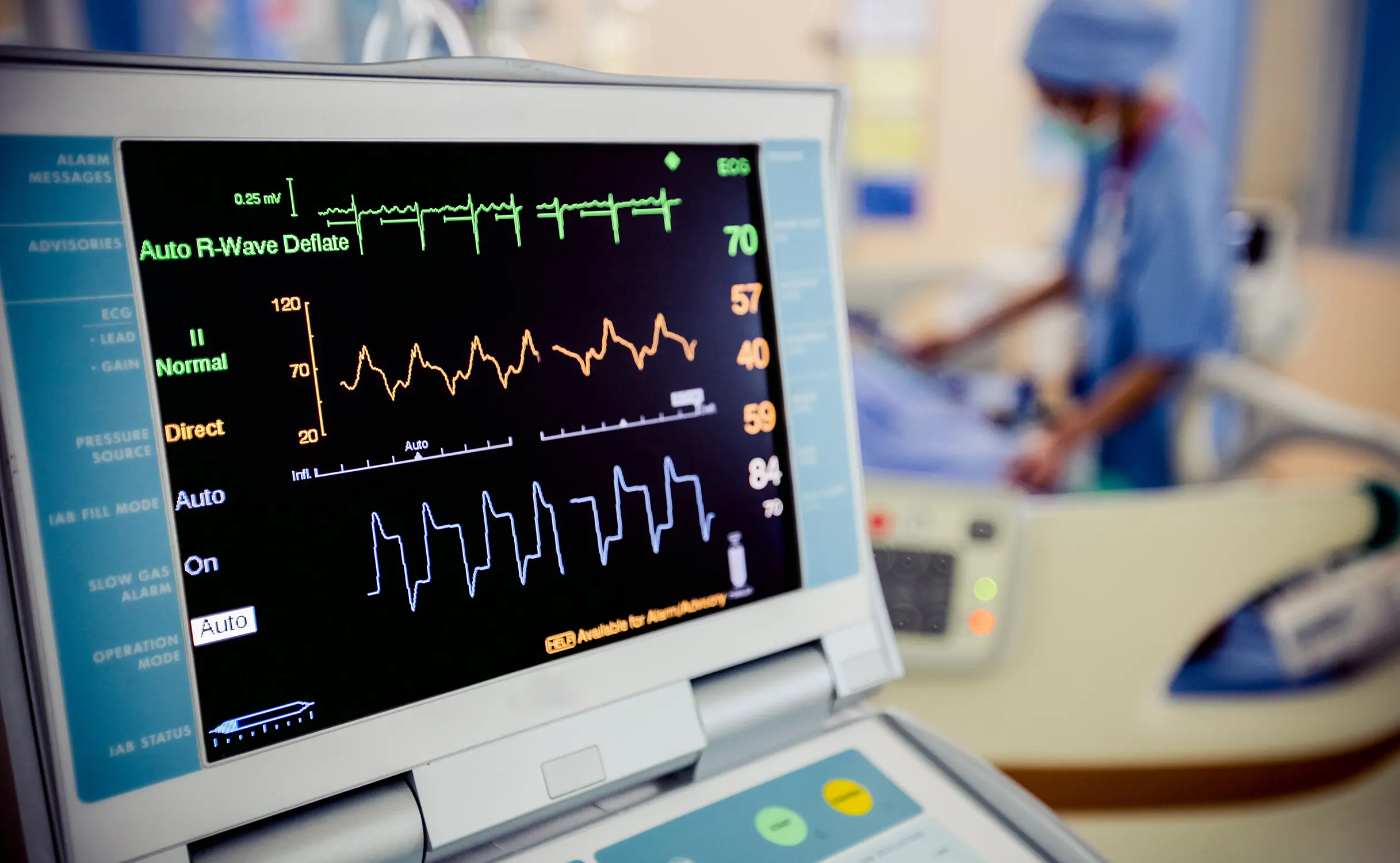
Healthcare
Sensors
Applications
Explore benefits and challenges of additive electronic applications.
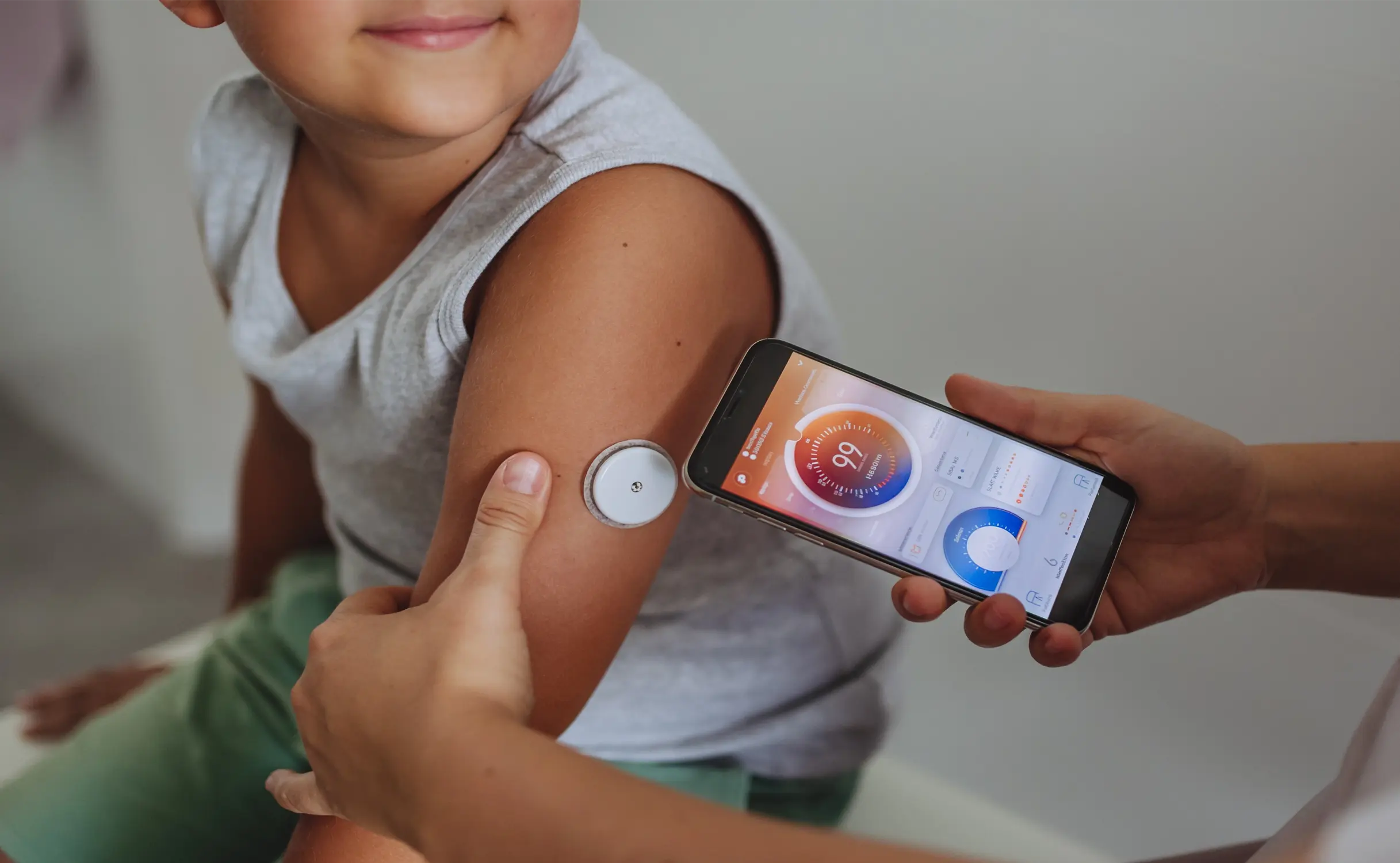 NOVA
NOVABioelectronics
 NOVA
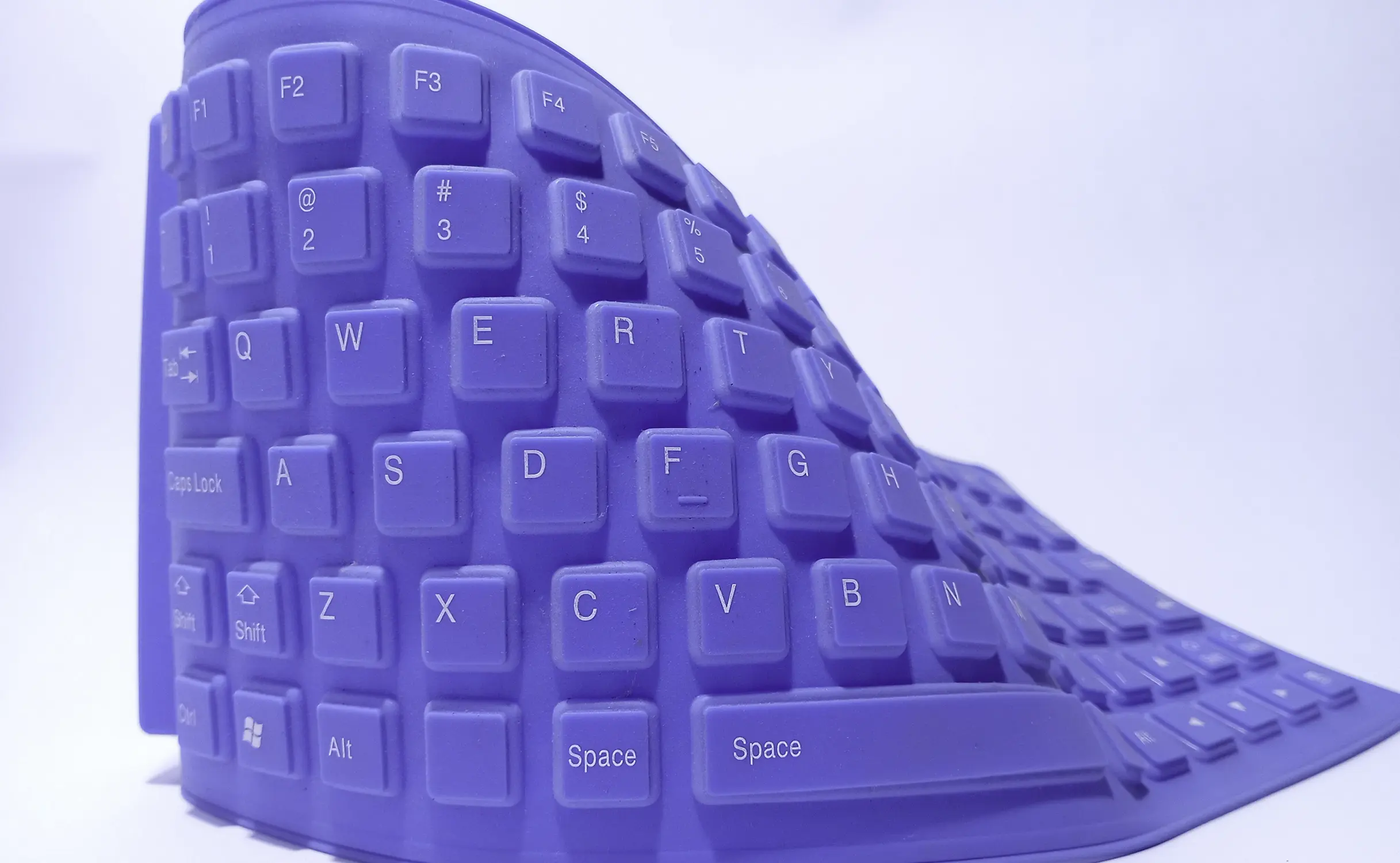
NOVAElectroluminescent Displays
 NOVA
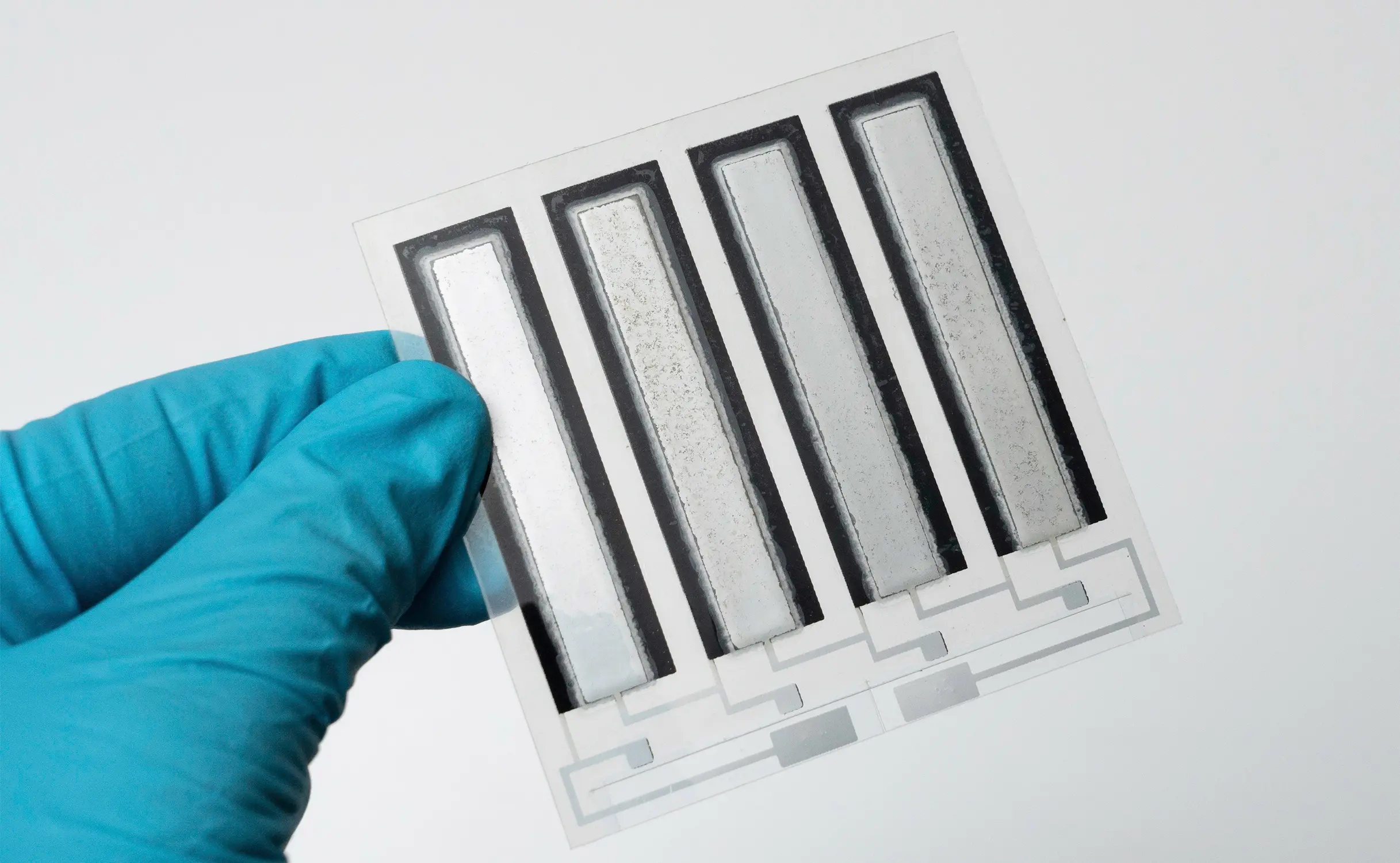
NOVAFlexible Membrane Switches
 NOVA
NOVAPrinted Batteries
White Papers
Read about our electronic projects created using NOVA and V-One.
 V-OneNOVA
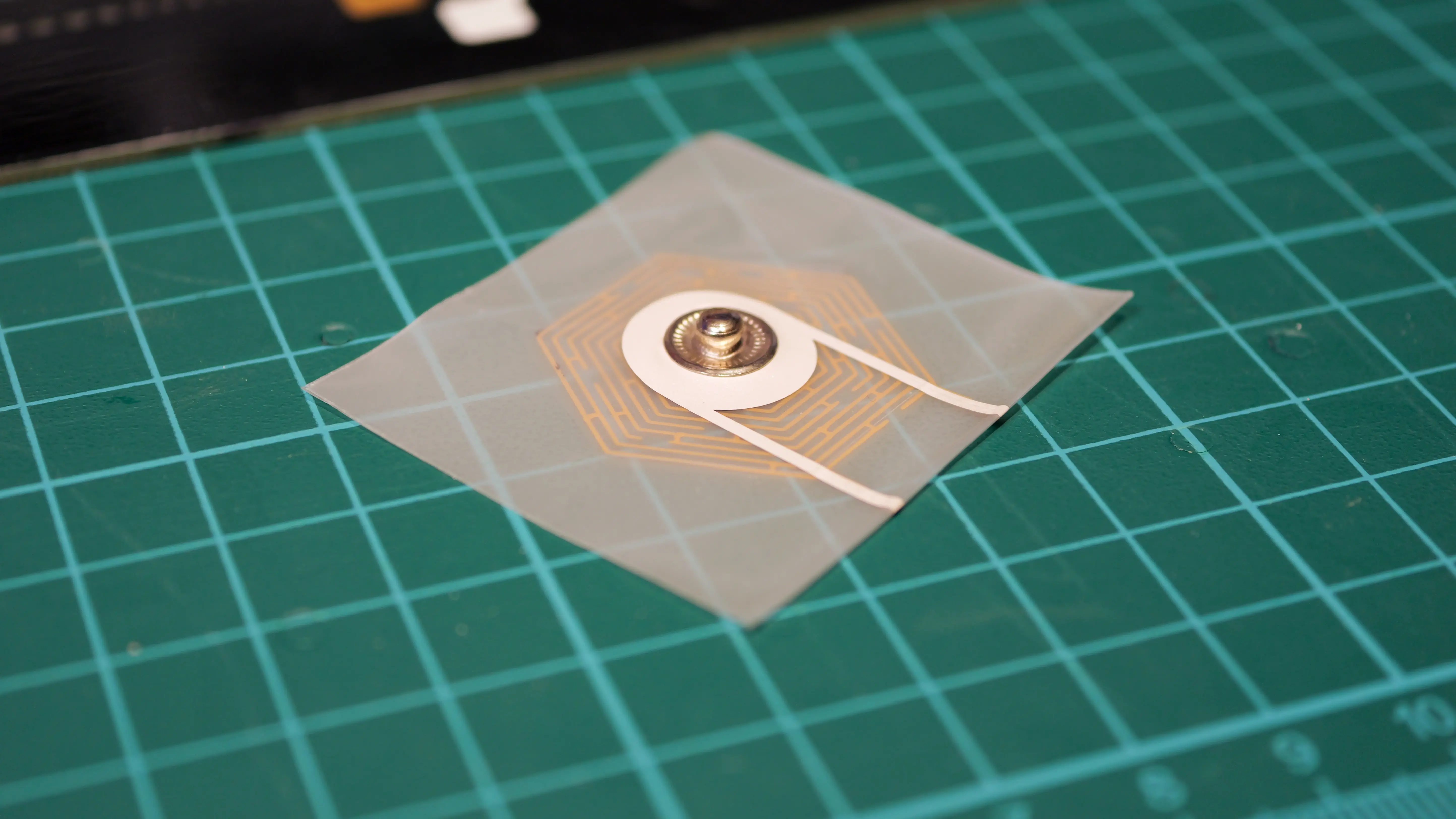
Printing ECG Electrodes with Biocompatible Gold Ink on TPU
Electrocardiogram (ECG) electrodes are sensors attached to the skin that detect the electrical activity of the heart. They are critical components of ECG systems used for diagnosis and management of cardiovascular diseases. This project demonstrates the process of printing a set of dry ECG electrodes.
- V-OneNOVA
Printing ECG Electrodes with Biocompatible Gold Ink on TPU
Electrocardiogram (ECG) electrodes are sensors attached to the skin that detect the electrical activity of the heart. They are critical components of ECG systems used for diagnosis and management of cardiovascular diseases. This project demonstrates the process of printing a set of dry ECG electrodes.
 NOVA
NOVAPrinting a Magnesium Zinc Battery with Saral Inks on PET
Printed batteries offer a thin and lightweight solution for powering electronics. This project is an example of printing a functional seven-layer battery, designed for use in moderately power-demanding electronics, such as security cameras, electric toothbrushes, portable lighting, handheld GPS devices, and toys.
- NOVA
Printing a Magnesium Zinc Battery with Saral Inks on PET
Printed batteries offer a thin and lightweight solution for powering electronics. This project is an example of printing a functional seven-layer battery, designed for use in moderately power-demanding electronics, such as security cameras, electric toothbrushes, portable lighting, handheld GPS devices, and toys.
 V-OneNOVA
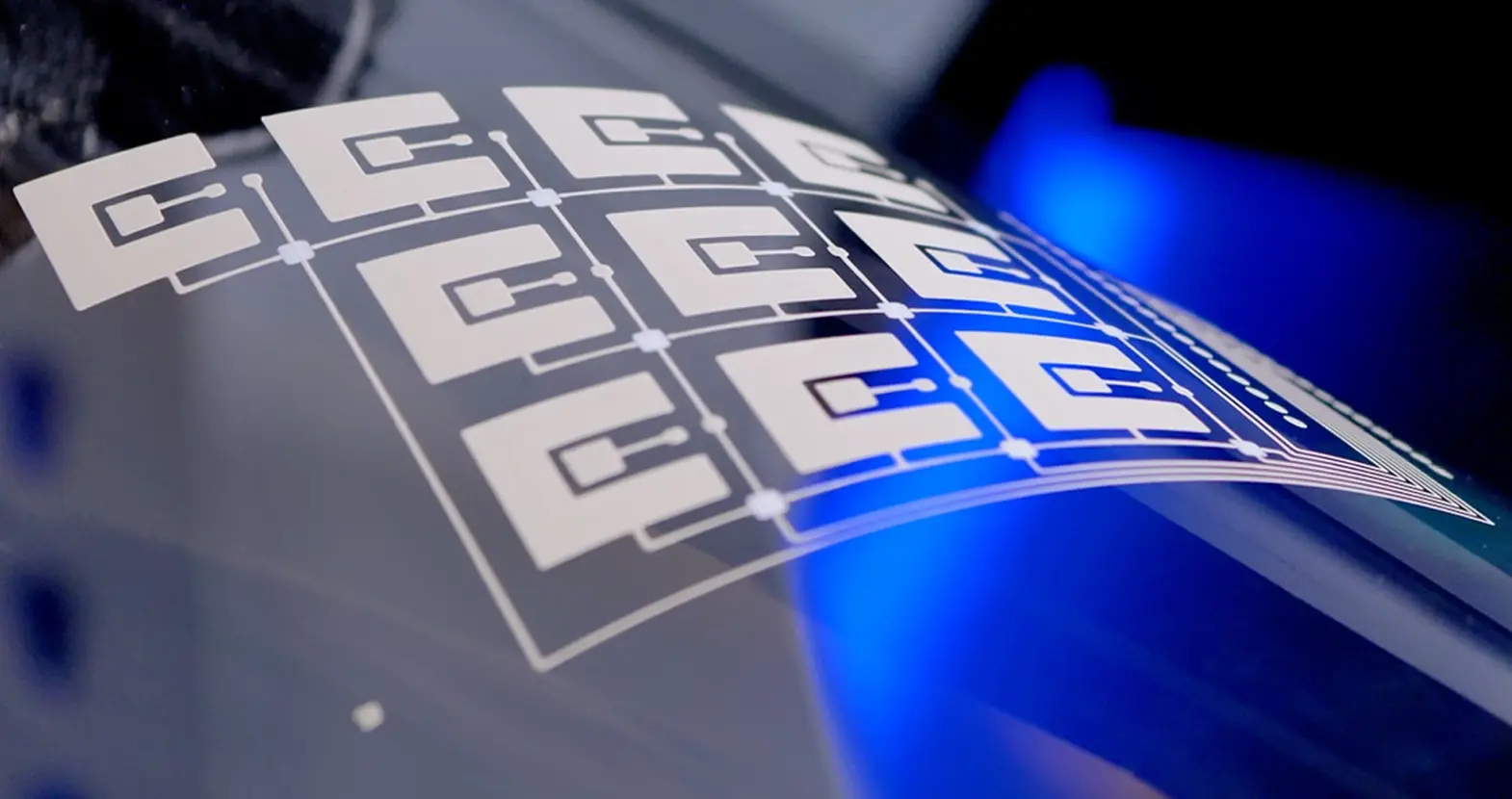
Printing a Flexible Membrane Keyboard with Conductive Silver Ink and Dielectric Ink on PET
Due to their thin profile and lightweight design, flexible membrane keyboards are useful in a variety of industries, such as portable electronics, toys, games, home appliances, medical equipment, automotive, and aerospace. This project is an example of using Voltera’s NOVA materials dispensing system to print a functional flexible membrane keyboard.
- V-OneNOVA
Printing a Flexible Membrane Keyboard with Conductive Silver Ink and Dielectric Ink on PET
Due to their thin profile and lightweight design, flexible membrane keyboards are useful in a variety of industries, such as portable electronics, toys, games, home appliances, medical equipment, automotive, and aerospace. This project is an example of using Voltera’s NOVA materials dispensing system to print a functional flexible membrane keyboard.
 V-OneNOVA
Connecting Flexible and Stretchable Substrates to Printed Circuit Boards
Connecting flexible circuits to traditional printed circuit boards (PCBs) is commonly called flexible-to-rigid interconnections. They enable flexible sensors, displays, wearables, and other flexible electronics to communicate with microcontrollers, power management systems, and external devices.
- V-OneNOVA
Connecting Flexible and Stretchable Substrates to Printed Circuit Boards
Connecting flexible circuits to traditional printed circuit boards (PCBs) is commonly called flexible-to-rigid interconnections. They enable flexible sensors, displays, wearables, and other flexible electronics to communicate with microcontrollers, power management systems, and external devices.
Customer Stories
See how innovators are building the electronics of tomorrow with Voltera products.
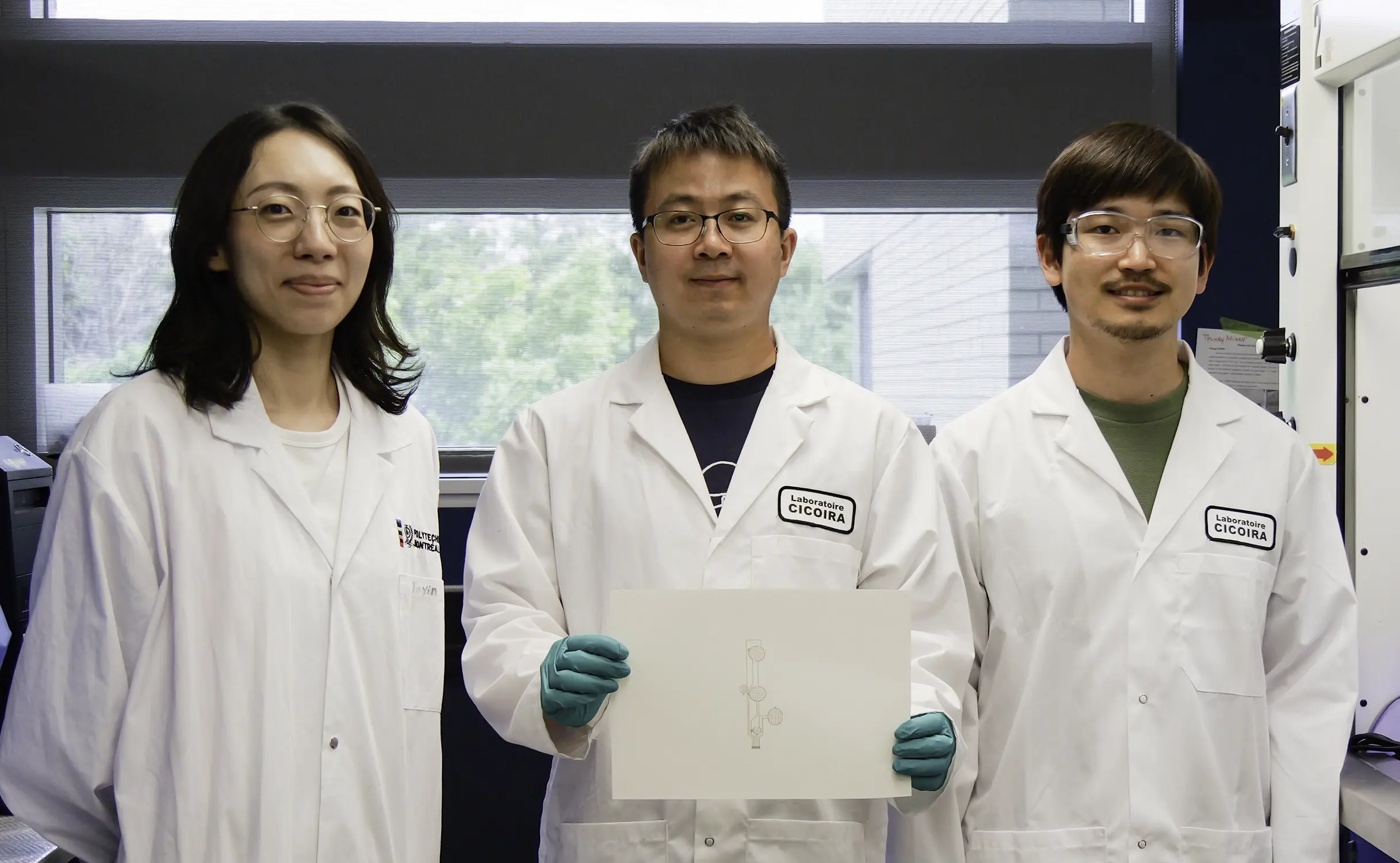
Polytechnique Montréal
Print Stretchable Bioelectronics for Research with NOVA
Professor Fabio Cicoira and his team at Polytechnique Montréal utilize NOVA and V-One to develop flexible and stretchable organic bioelectronics.
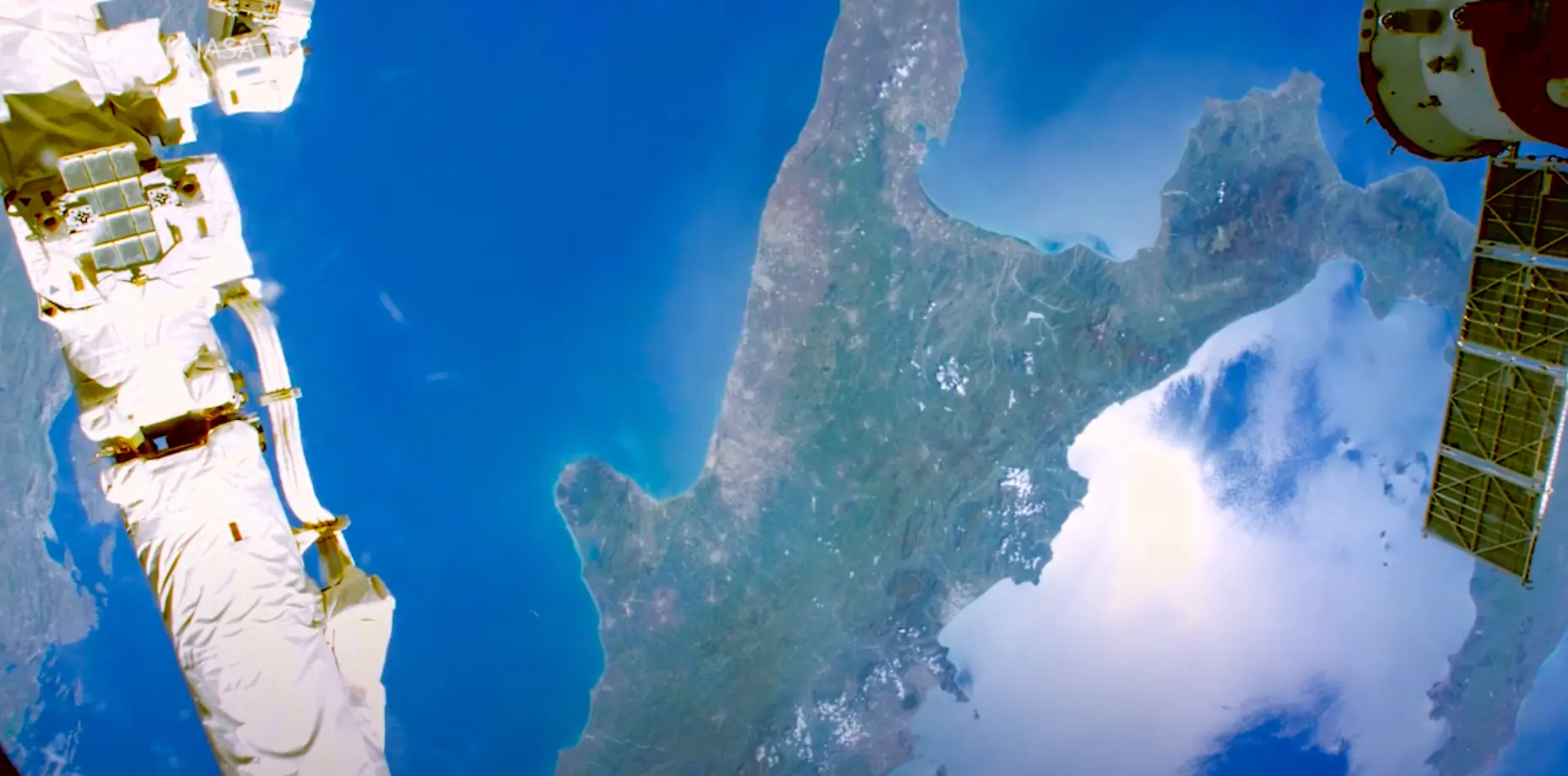
Princeton University
Empowering Space Exploration with V-One PCB Printer
Learn how students at Princeton University are using the V-One PCB printer to build CubeSats, miniature satellites designed for space research.
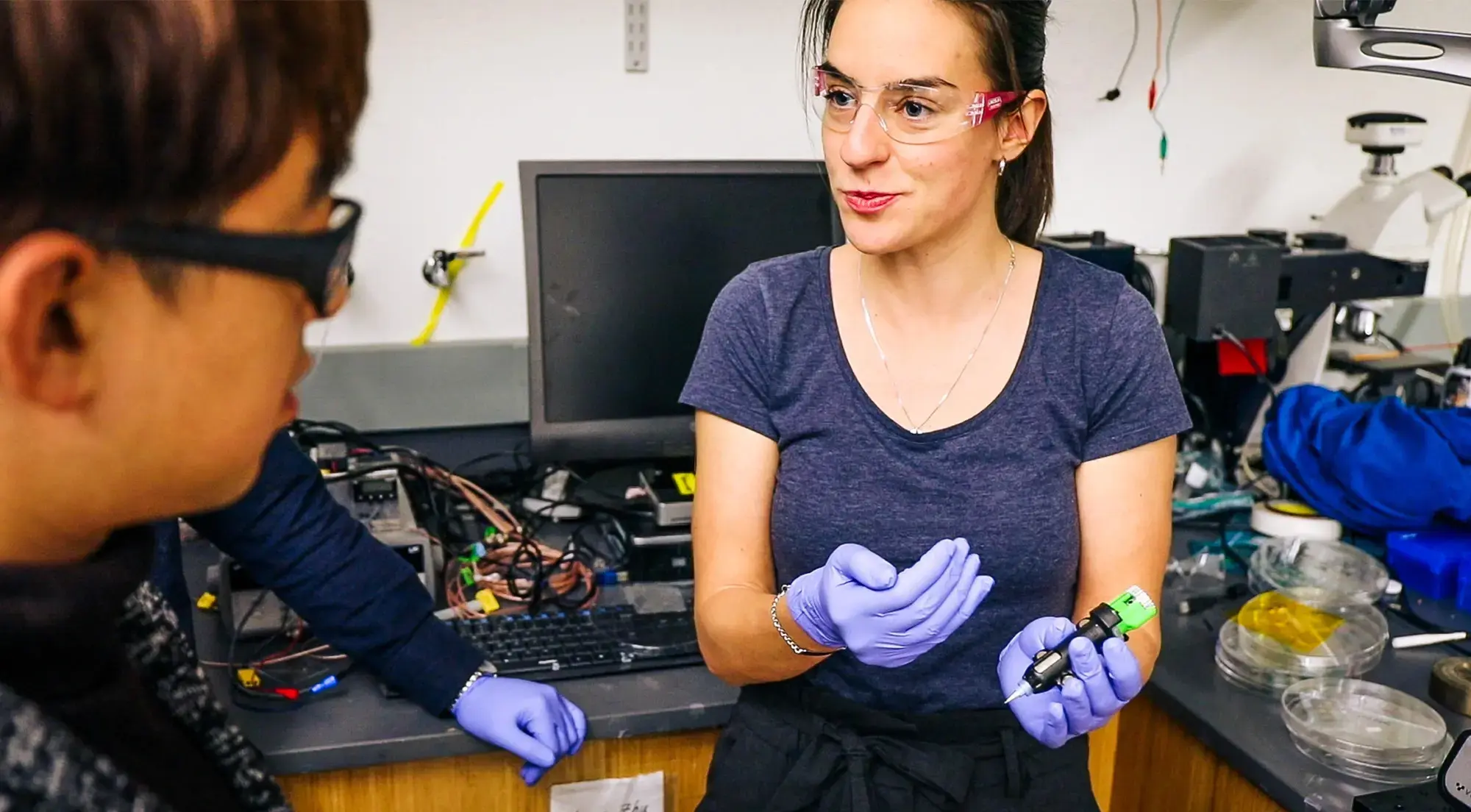
Stanford University
Next generation electronics with Voltera
The Bao Group at Stanford University, led by Zhenan Bao, develops flexible and stretchable materials, electronics, and energy devices.
FAST FACTS
Frequently asked questions
Voltera use cases include both our internal projects and customer success stories. They showcase what’s possible with additive prototyping systems like V-One and NOVA, from rapid PCB development to advanced materials research. In addition to hands-on projects, we also publish application overviews that provide market and technical insights into common electronics use cases, such as printed antennas, printed batteries, and bioelectronics.
If you’re working with rigid substrates and conventional PCBs, V-One is the ideal choice, enabling same-day, in-house iteration. If your work involves novel materials, flexible or stretchable form factors, or multilayer structures, NOVA is the better fit, offering high-precision dispensing, compatibility with biocompatible materials, and smart algorithms for multilayer printing.
If you’ve read a white paper or application overview describing a similar project, chances are V-One or NOVA will be a good fit. If your requirements are still taking shape, we’re happy to connect and help you evaluate material choices, printing parameters, and lab setup to ensure you get started on the right path.
Voltera use cases include both our internal projects and customer success stories. They showcase what’s possible with additive prototyping systems like V-One and NOVA, from rapid PCB development to advanced materials research. In addition to hands-on projects, we also publish application overviews that provide market and technical insights into common electronics use cases, such as printed antennas, printed batteries, and bioelectronics.
If you’ve read a white paper or application overview describing a similar project, chances are V-One or NOVA will be a good fit. If your requirements are still taking shape, we’re happy to connect and help you evaluate material choices, printing parameters, and lab setup to ensure you get started on the right path.
If you’re working with rigid substrates and conventional PCBs, V-One is the ideal choice, enabling same-day, in-house iteration. If your work involves novel materials, flexible or stretchable form factors, or multilayer structures, NOVA is the better fit, offering high-precision dispensing, compatibility with biocompatible materials, and smart algorithms for multilayer printing.

UNLOCK INNOVATION
Printing multilayer, flexible, stretchable, and conformable electronics?
UNLOCK INNOVATION
Printing multilayer, flexible, stretchable, and conformable electronics?


