 novav-one
Connecting Flexible and Stretchable Substrates to Printed Circuit Boards
Connecting flexible circuits to traditional printed circuit boards (PCBs) is commonly called flexible-to-rigid interconnections. They enable flexible sensors, displays, wearables, and other flexible electronics to communicate with microcontrollers, power management systems, and external devices.
- novav-one
Connecting Flexible and Stretchable Substrates to Printed Circuit Boards
Connecting flexible circuits to traditional printed circuit boards (PCBs) is commonly called flexible-to-rigid interconnections. They enable flexible sensors, displays, wearables, and other flexible electronics to communicate with microcontrollers, power management systems, and external devices.
 nova
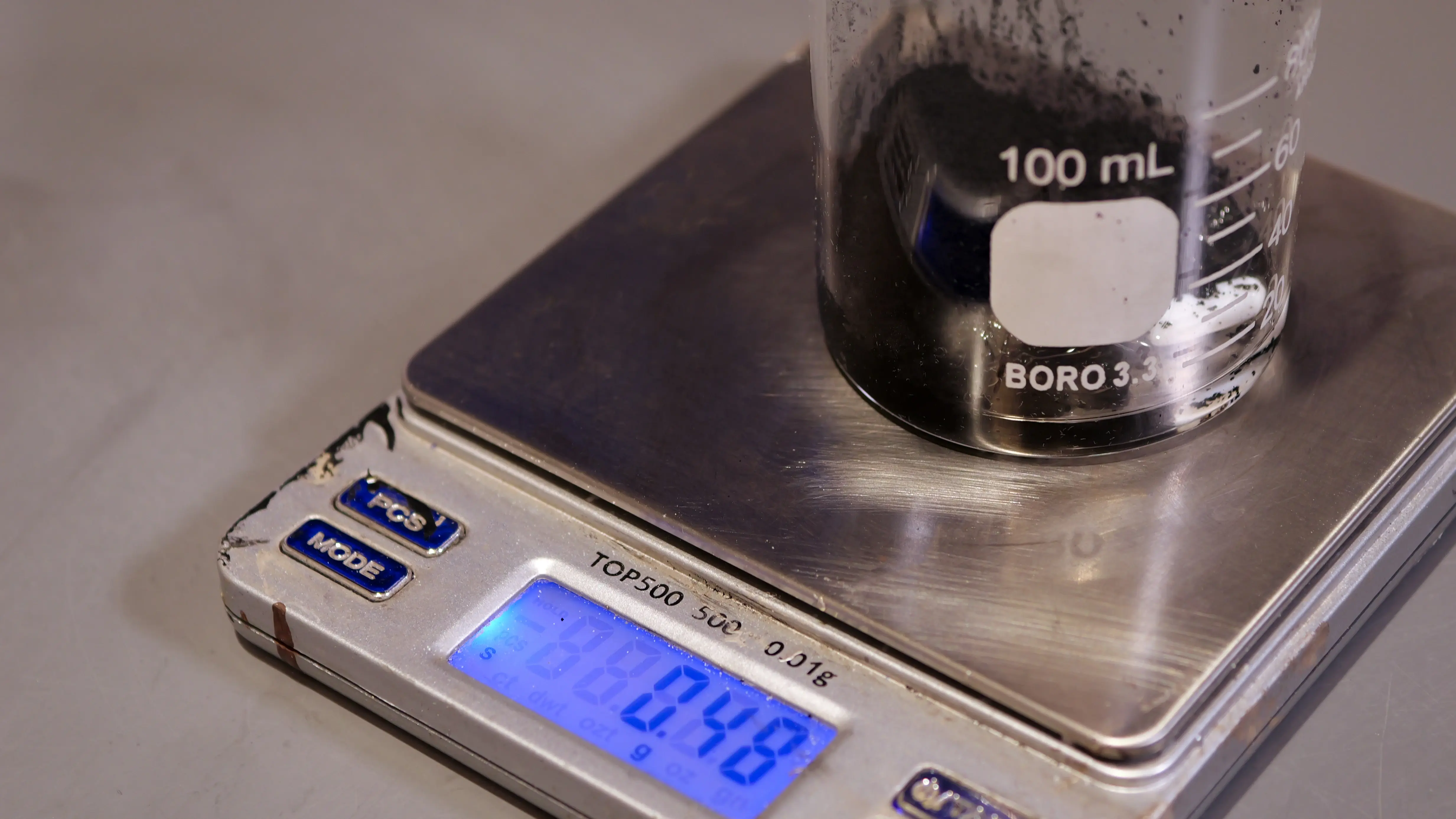
novaDeveloping a Custom Carbon Ink for Printing a Variable Resistor on PET
Custom resistive inks are formulated with carbon, metal, or hybrid particles, along with binders and solvents, to support applications in dimmers, sensors, and potentiometers. Their resistivity can be adjusted through particle concentration or trace geometry while balancing viscosity and adhesion.
- nova
Developing a Custom Carbon Ink for Printing a Variable Resistor on PET
Custom resistive inks are formulated with carbon, metal, or hybrid particles, along with binders and solvents, to support applications in dimmers, sensors, and potentiometers. Their resistivity can be adjusted through particle concentration or trace geometry while balancing viscosity and adhesion.
 v-one
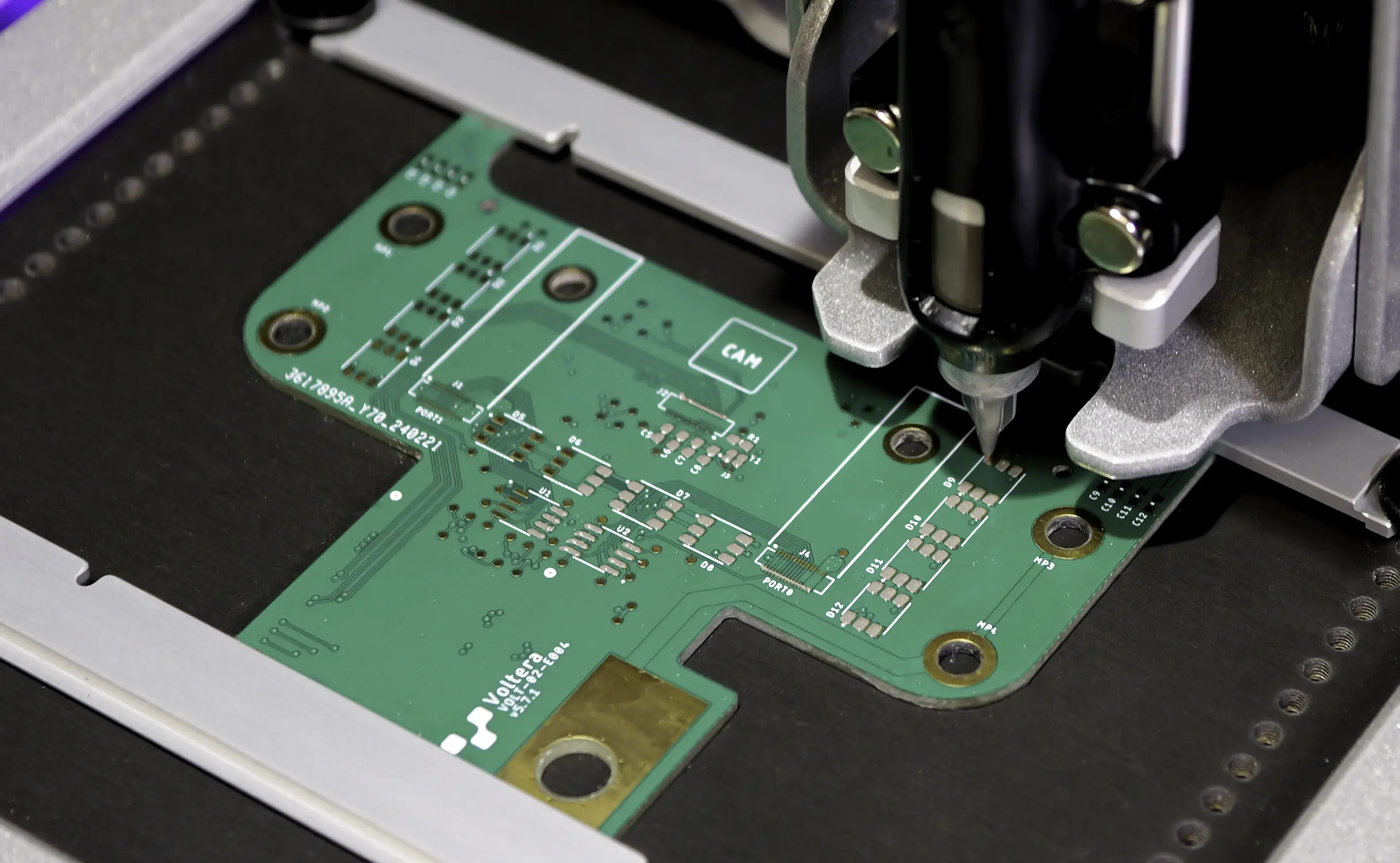
v-oneDispensing Solder Paste on Factory-Fabricated PCBs
Printed circuit boards (PCBs) are essential for electronic circuits, providing mechanical support and electrical connections for components. Factory fabricated (or sometimes called prefabricated) PCBs are pre-manufactured, ready-to-use boards that simplify assembly and ensure consistent quality in electronic devices.
- v-one
Dispensing Solder Paste on Factory-Fabricated PCBs
Printed circuit boards (PCBs) are essential for electronic circuits, providing mechanical support and electrical connections for components. Factory fabricated (or sometimes called prefabricated) PCBs are pre-manufactured, ready-to-use boards that simplify assembly and ensure consistent quality in electronic devices.
 v-one
v-onePrinting a Control Board for a Line Following Robot with Silver Ink on FR1
Prototyping robotics offers great potential in electronics education, providing a fun way to learn about sensors and motion control. Building a line-following robot can be both educational and practical, with applications in automated delivery systems and robot racing competitions.
- v-one
Printing a Control Board for a Line Following Robot with Silver Ink on FR1
Prototyping robotics offers great potential in electronics education, providing a fun way to learn about sensors and motion control. Building a line-following robot can be both educational and practical, with applications in automated delivery systems and robot racing competitions.
 v-one
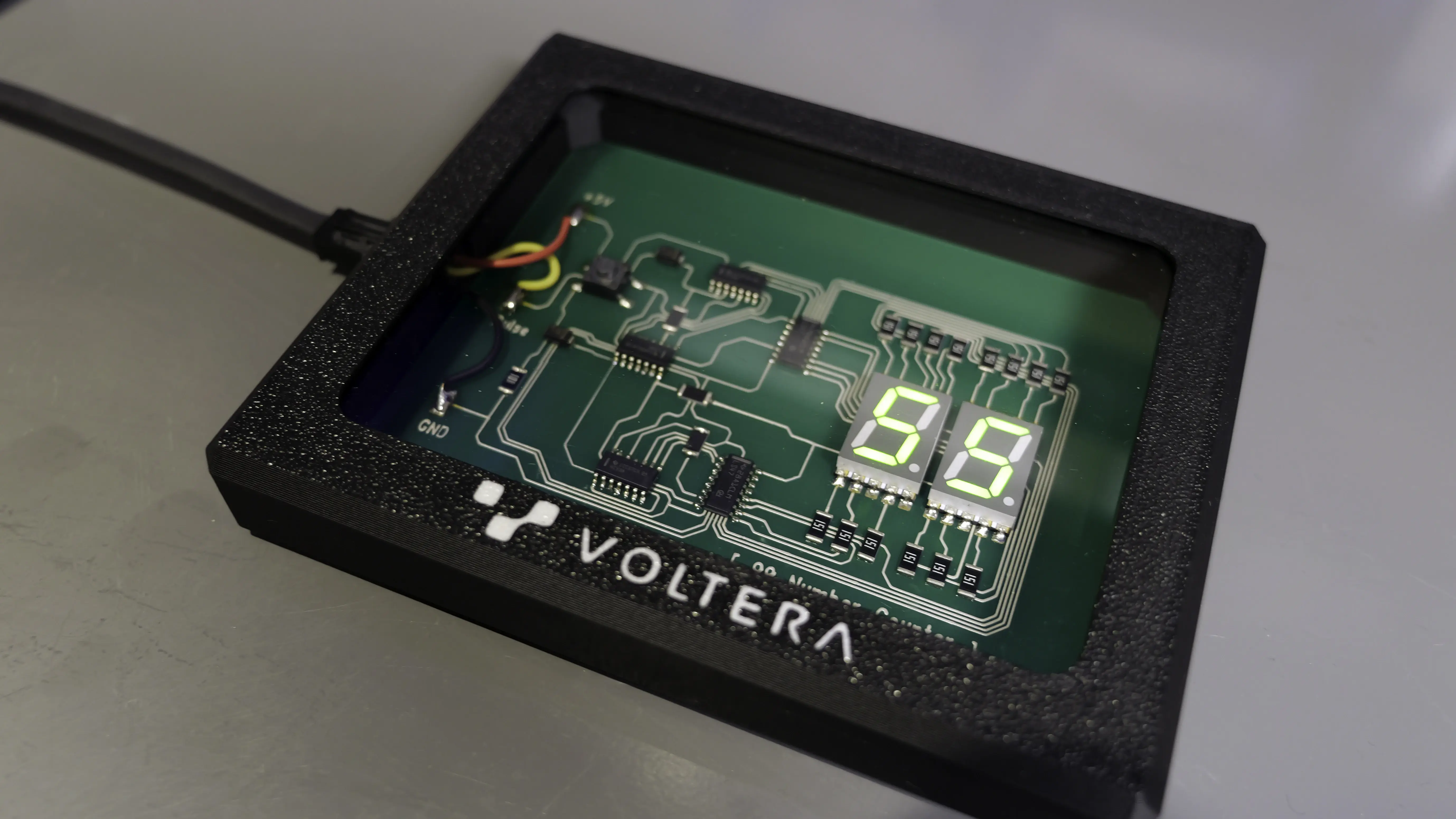
v-onePrinting a Decimal Counter Circuit with Silver Conductive Ink on FR1
A decimal counter is a digital circuit that cycles through zero to nine using logic components. It is essential in clocks and timers. Making a decimal counter using seven-segment displays offers great opportunities for students to learn sequential logic, clock signals, and circuit integration.
- v-one
Printing a Decimal Counter Circuit with Silver Conductive Ink on FR1
A decimal counter is a digital circuit that cycles through zero to nine using logic components. It is essential in clocks and timers. Making a decimal counter using seven-segment displays offers great opportunities for students to learn sequential logic, clock signals, and circuit integration.
 novav-one
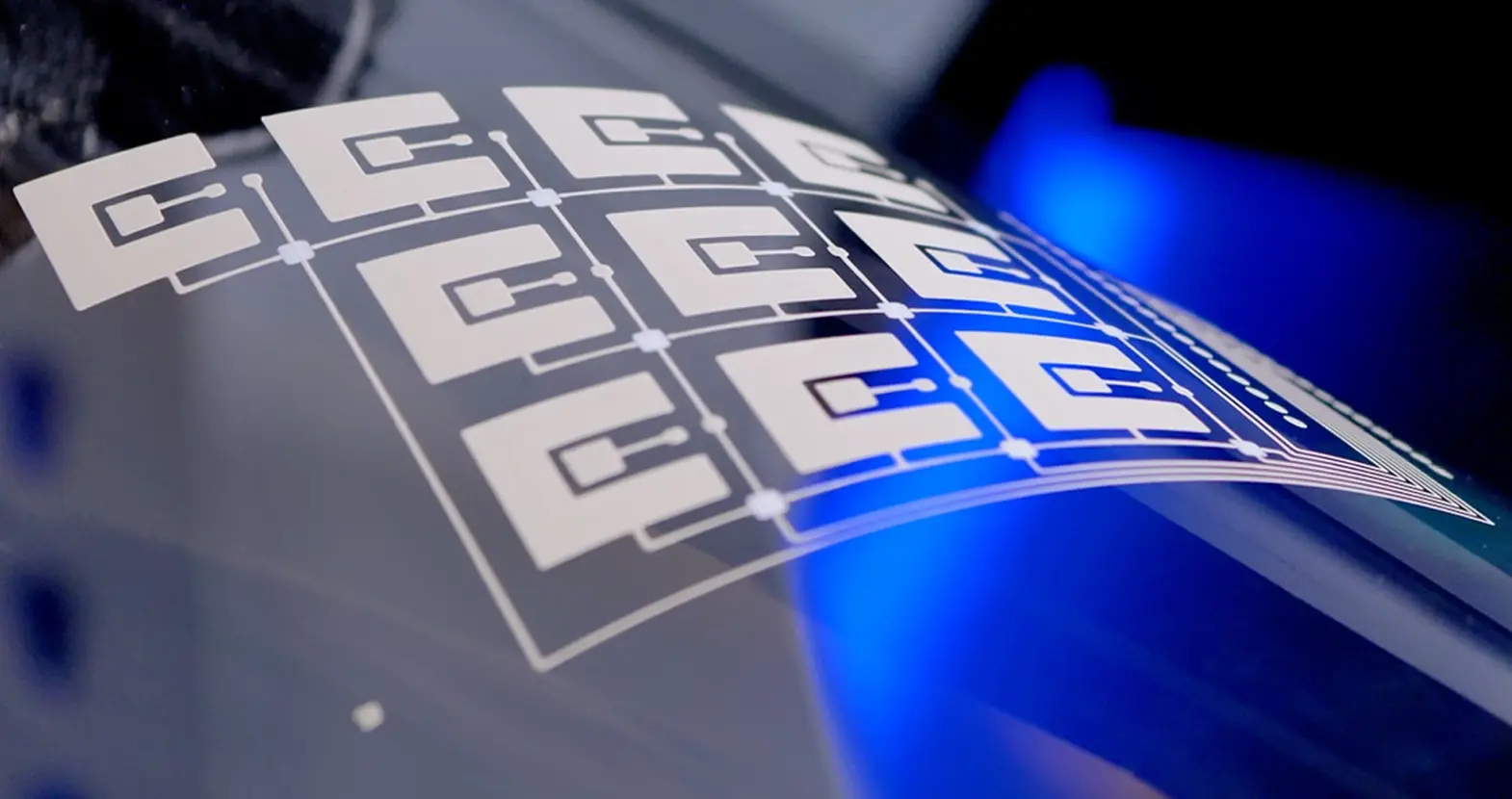
Printing a Flexible Membrane Keyboard with Conductive Silver Ink and Dielectric Ink on PET
Due to their thin profile and lightweight design, flexible membrane keyboards are useful in a variety of industries, such as portable electronics, toys, games, home appliances, medical equipment, automotive, and aerospace. This project is an example of using Voltera’s NOVA materials dispensing system to print a functional flexible membrane keyboard.
- novav-one
Printing a Flexible Membrane Keyboard with Conductive Silver Ink and Dielectric Ink on PET
Due to their thin profile and lightweight design, flexible membrane keyboards are useful in a variety of industries, such as portable electronics, toys, games, home appliances, medical equipment, automotive, and aerospace. This project is an example of using Voltera’s NOVA materials dispensing system to print a functional flexible membrane keyboard.
 novav-one
Printing a Flexible PCB with Silver Ink on PET
LED applications are popular engineering projects in school. Among these, an LED roulette stands out as it is intellectually challenging and fun. While a roulette circuit is typically printed on a substrate like FR4, printing on a flexible substrate presents further opportunities for education.
- novav-one
Printing a Flexible PCB with Silver Ink on PET
LED applications are popular engineering projects in school. Among these, an LED roulette stands out as it is intellectually challenging and fun. While a roulette circuit is typically printed on a substrate like FR4, printing on a flexible substrate presents further opportunities for education.
 nova
novaPrinting a Magnesium Zinc Battery with Saral Inks on PET
Printed batteries offer a thin and lightweight solution for powering electronics. This project is an example of printing a functional seven-layer battery, designed for use in moderately power-demanding electronics, such as security cameras, electric toothbrushes, portable lighting, handheld GPS devices, and toys.
- nova
Printing a Magnesium Zinc Battery with Saral Inks on PET
Printed batteries offer a thin and lightweight solution for powering electronics. This project is an example of printing a functional seven-layer battery, designed for use in moderately power-demanding electronics, such as security cameras, electric toothbrushes, portable lighting, handheld GPS devices, and toys.
 nova
novaPrinting an RFID Tag with Copper Ink on Paper
Radio Frequency Identification (RFID) is a technology that leverages wireless communication over radio waves to transfer data and locate objects. It is widely used in inventory management, asset tracking, access control, smart packaging, and increasingly, agriculture and crop management.
- nova
Printing an RFID Tag with Copper Ink on Paper
Radio Frequency Identification (RFID) is a technology that leverages wireless communication over radio waves to transfer data and locate objects. It is widely used in inventory management, asset tracking, access control, smart packaging, and increasingly, agriculture and crop management.
 novav-one
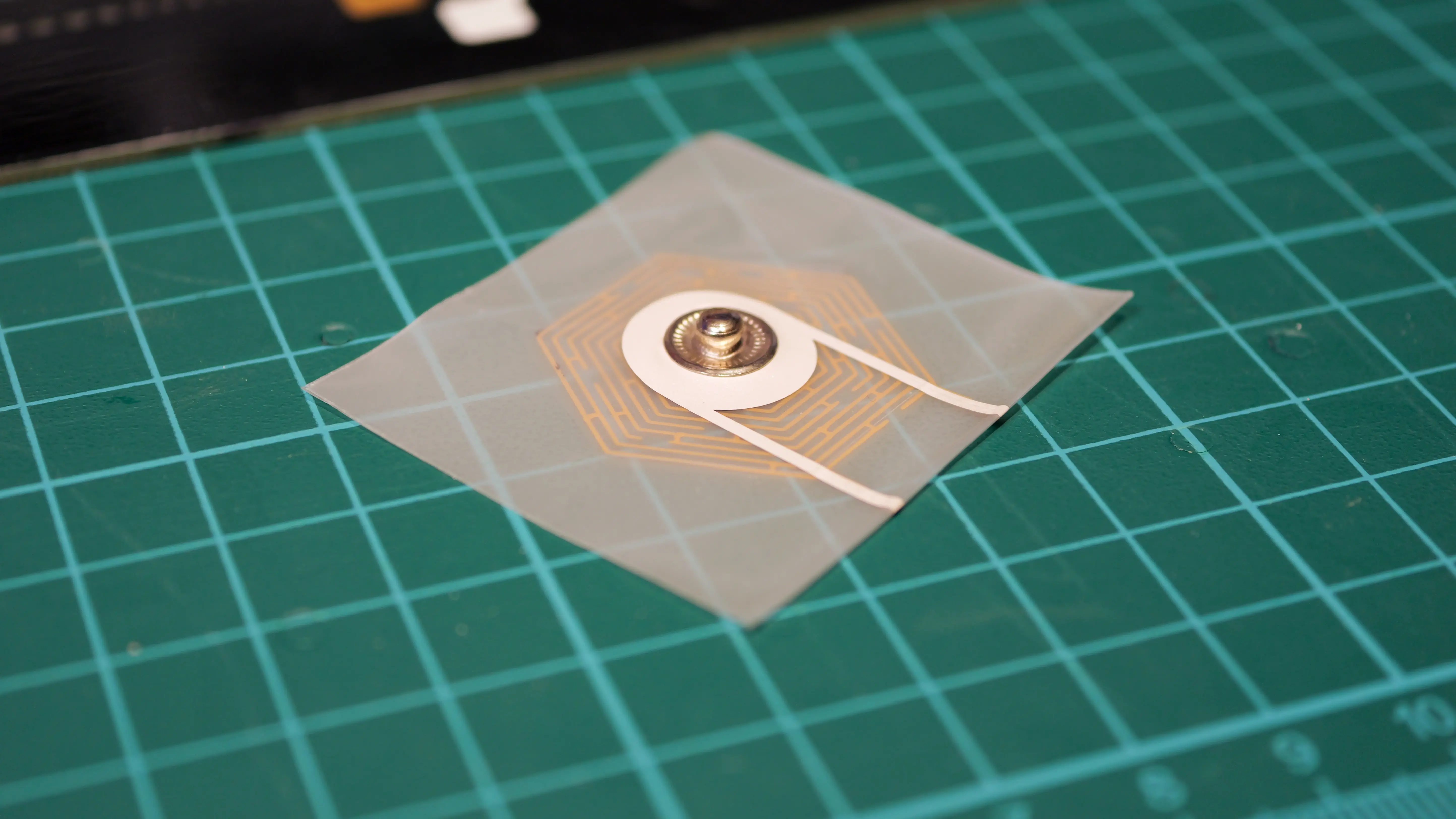
Printing ECG Electrodes with Biocompatible Gold Ink on TPU
Electrocardiogram (ECG) electrodes are sensors attached to the skin that detect the electrical activity of the heart. They are critical components of ECG systems used for diagnosis and management of cardiovascular diseases. This project demonstrates the process of printing a set of dry ECG electrodes.
- novav-one
Printing ECG Electrodes with Biocompatible Gold Ink on TPU
Electrocardiogram (ECG) electrodes are sensors attached to the skin that detect the electrical activity of the heart. They are critical components of ECG systems used for diagnosis and management of cardiovascular diseases. This project demonstrates the process of printing a set of dry ECG electrodes.
 nova
novaPrinting Electroluminescent Ink on Paper and PET
Due to their consistent brightness, low cost and high energy efficiency, electroluminescent inks are used in a wide range of electroluminescent display applications. This project is an example of printing an electroluminescent ink on soft and flexible substrates.
- nova
Printing Electroluminescent Ink on Paper and PET
Due to their consistent brightness, low cost and high energy efficiency, electroluminescent inks are used in a wide range of electroluminescent display applications. This project is an example of printing an electroluminescent ink on soft and flexible substrates.
 v-one
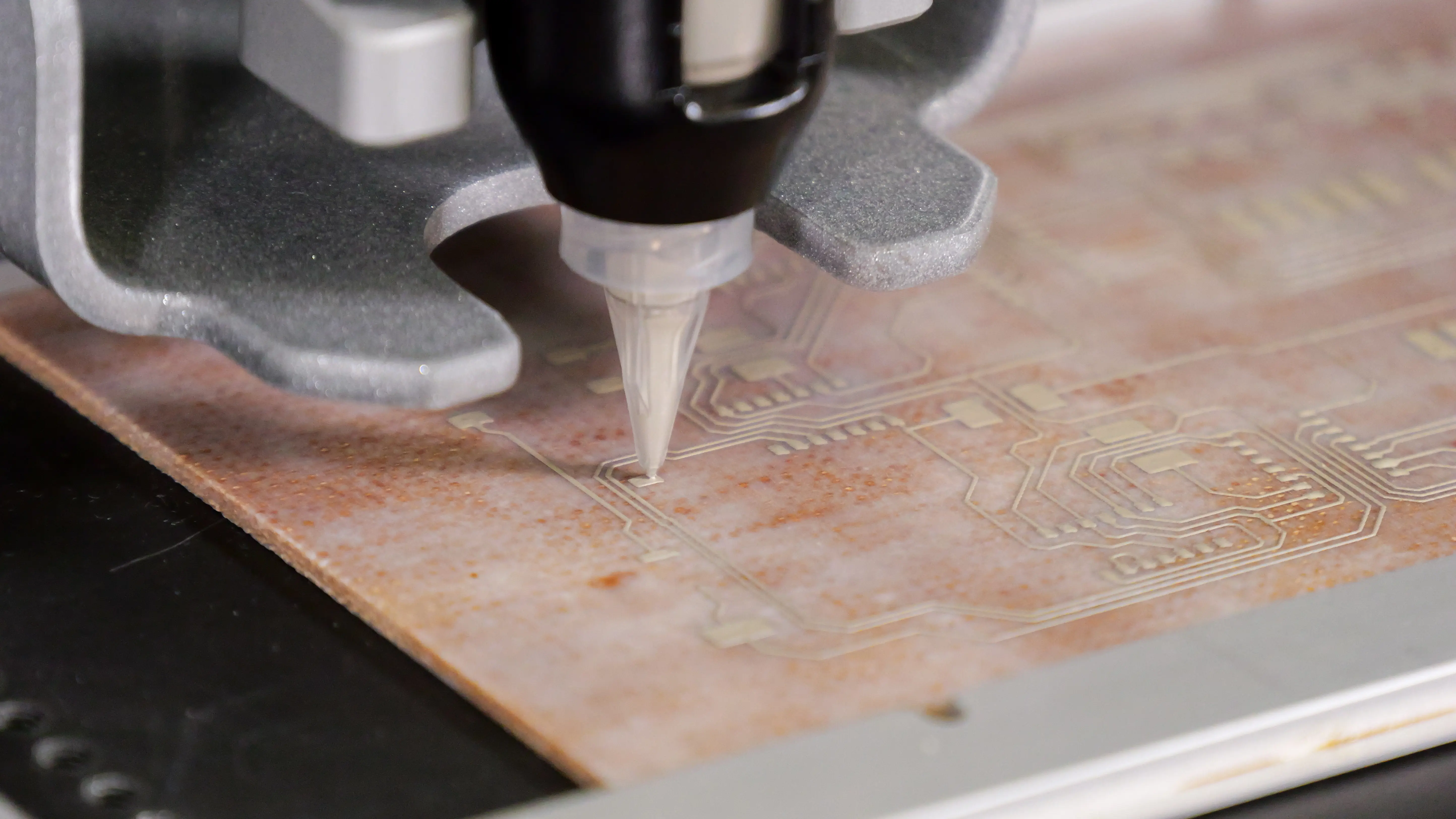
v-onePrinting PCBs on Biodegradable Substrates for End-of-Life Recovery
Biodegradable PCB substrates are gaining attention as sustainable alternatives to traditional FR1 and FR4. However, printing on biodegradable substrates has traditionally raised concerns about conductivity, adhesion, thermal stability, and long-term durability during assembly and use.
- v-one
Printing PCBs on Biodegradable Substrates for End-of-Life Recovery
Biodegradable PCB substrates are gaining attention as sustainable alternatives to traditional FR1 and FR4. However, printing on biodegradable substrates has traditionally raised concerns about conductivity, adhesion, thermal stability, and long-term durability during assembly and use.
 nova
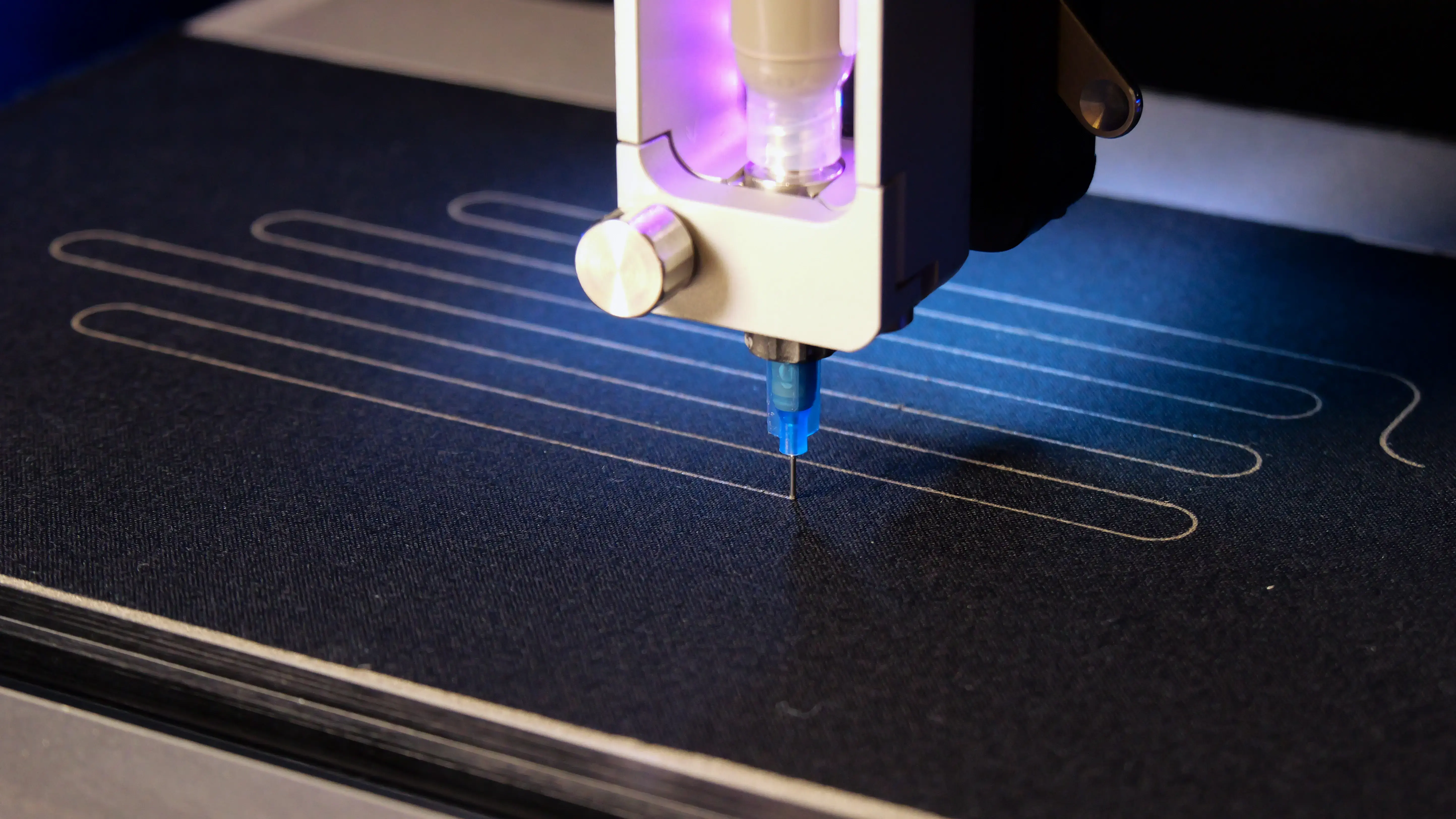
novaPrinting Silver Conductive Ink on Cotton Fabric
Printing on fabric is a popular method for creating wearable electronics, with one key application being heated gloves and mittens that use heating elements to keep hands warm. Commonly used in outdoor activities like skiing, they also have medical uses, such as improving blood circulation.
- nova
Printing Silver Conductive Ink on Cotton Fabric
Printing on fabric is a popular method for creating wearable electronics, with one key application being heated gloves and mittens that use heating elements to keep hands warm. Commonly used in outdoor activities like skiing, they also have medical uses, such as improving blood circulation.
 novav-one
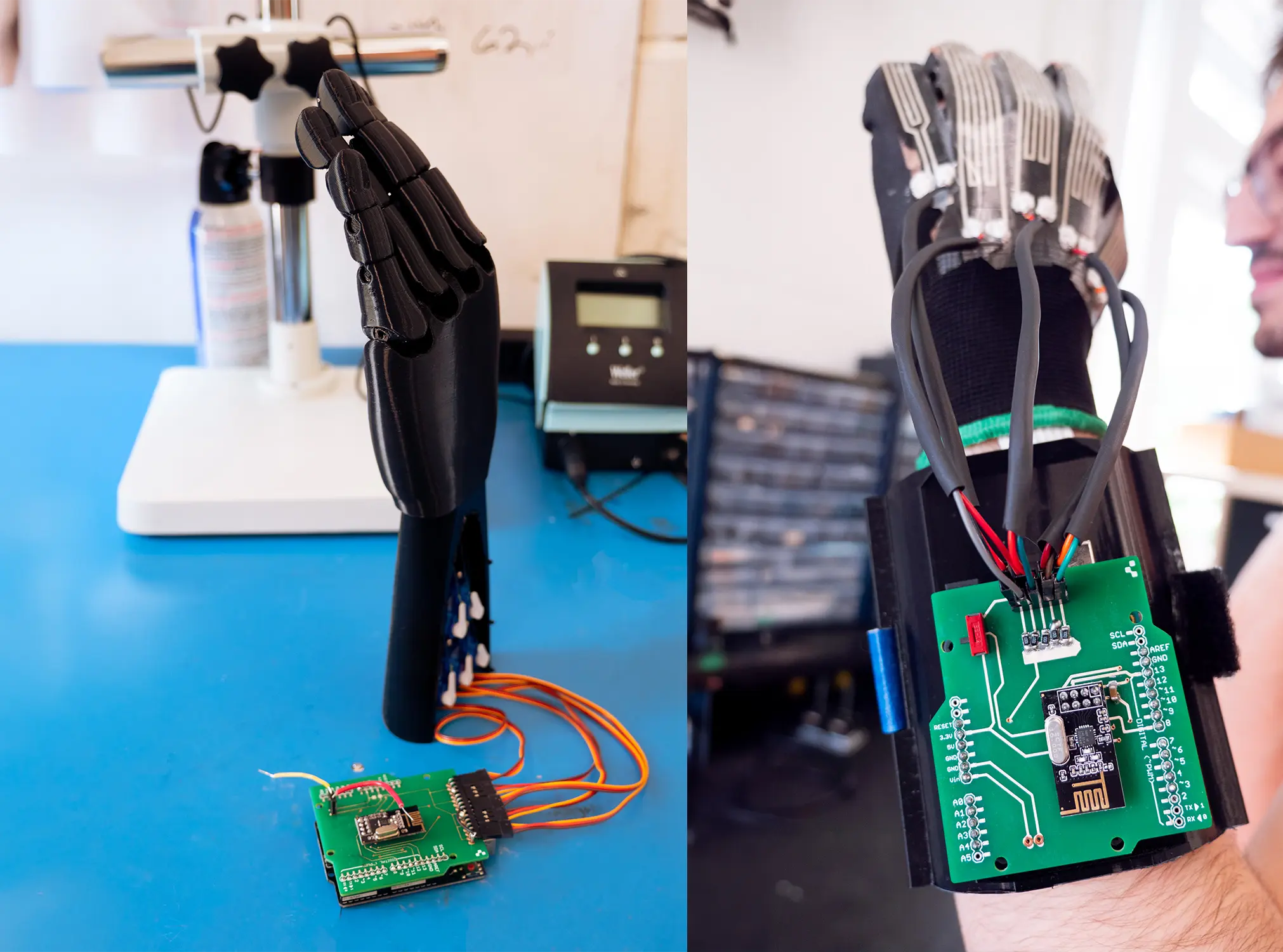
Printing Strain Gauges on TPU laminated on a Glove for Remote Hand Control
Robotic hands are useful in many fields. They can be applied to advanced prosthetic devices, hazardous environments, and augmented reality applications. This project demonstrates the process of printing strain gauges on TPU, laminating them to a glove, and using them to control a robotic hand.
- novav-one
Printing Strain Gauges on TPU laminated on a Glove for Remote Hand Control
Robotic hands are useful in many fields. They can be applied to advanced prosthetic devices, hazardous environments, and augmented reality applications. This project demonstrates the process of printing strain gauges on TPU, laminating them to a glove, and using them to control a robotic hand.
 nova
novaPrinting Thermoformable Inks on ABS for In-Mold Electronics
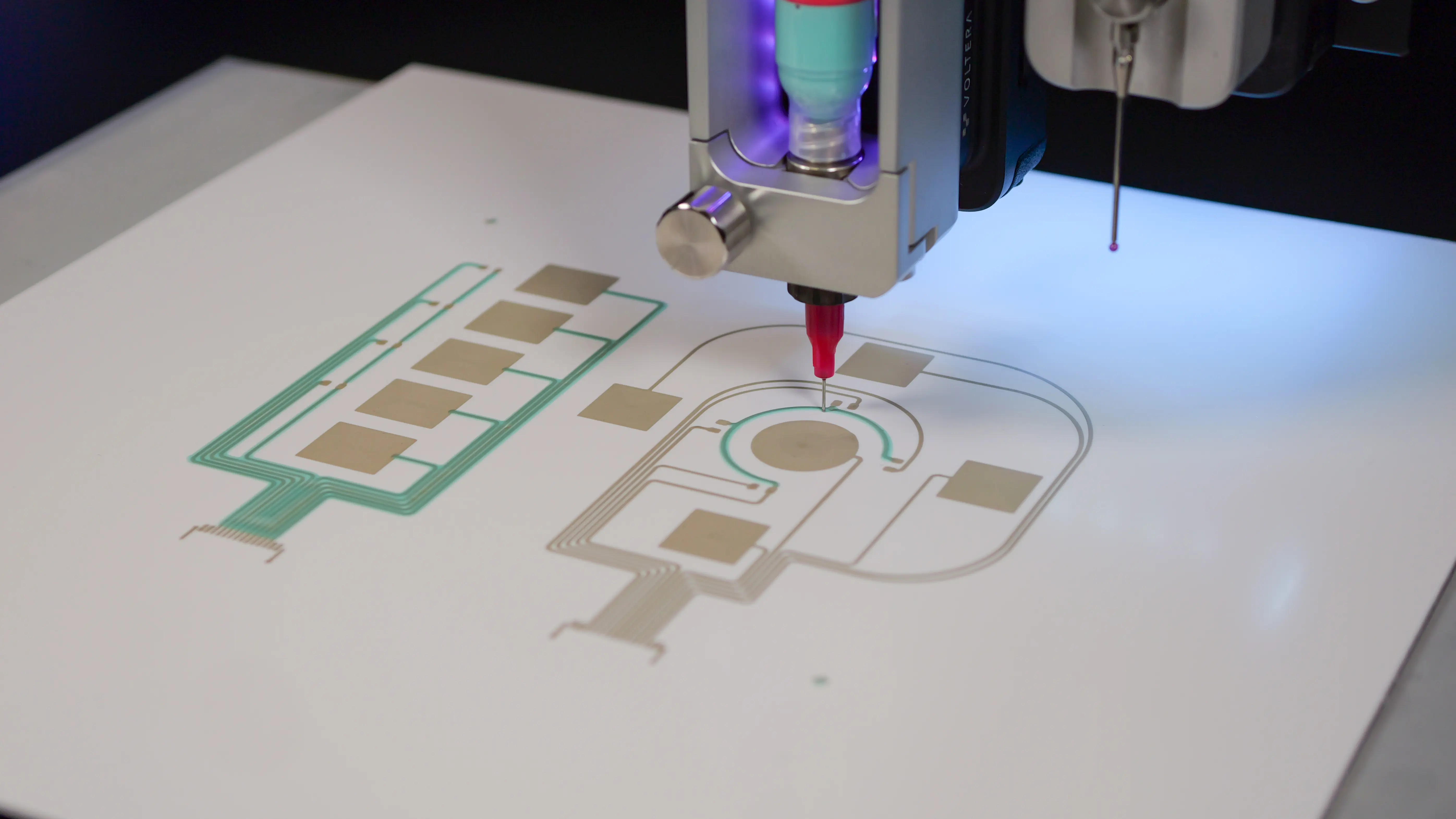
Human machine interfaces (HMI) are the touchpoints that let users interact with electronics, from automotive consoles to appliance panels and industrial equipment interfaces. In-mold electronics support HMI by enabling touch functionality to be integrated directly into shaped plastic surfaces.
- nova
Printing Thermoformable Inks on ABS for In-Mold Electronics
Human machine interfaces (HMI) are the touchpoints that let users interact with electronics, from automotive consoles to appliance panels and industrial equipment interfaces. In-mold electronics support HMI by enabling touch functionality to be integrated directly into shaped plastic surfaces.
FAST FACTS
Frequently asked questions
The NOVA materials dispensing system would be a strong fit if:
- Your project needs lightweight, flexible, stretchable, conformal, or customized form factors
- You are experimenting with custom materials, functional inks, novel materials that need high-precision dispensing capability
- You are developing flexible hybrid electronics and want compatibility with mass production ecosystems like screen printing
The V-One PCB printer would be a strong fit if:
- You are developing printed circuit boards (PCBs)
- You need to solder paste in-house automatically
- You are working on or teaching electrical engineering projects
PET and polyimide (Kapton) are the most common substrates for flexible electronics, with good dimensional stability and process compatibility. TPU is widely used for stretchable electronics, while paper supports low-cost, disposable, or sustainable designs. Glass and ceramics are preferred for high-temperature, RF, or high-frequency applications.
For rigid electronics, FR1 and FR4 remain the standard choices for conventional PCB fabrication, providing predictable mechanical stability, electrical performance, and soldering compatibility.
Yes. Most real-world systems use flexible hybrid electronics (FHE), which combine printed or dispensed interconnects with surface-mounted ICs, passives, and packaged components. This approach preserves the performance and reliability of conventional electronics while unlocking flexibility, mechanical compliance, and new form factors.
The NOVA materials dispensing system would be a strong fit if:
- Your project needs lightweight, flexible, stretchable, conformal, or customized form factors
- You are experimenting with custom materials, functional inks, novel materials that need high-precision dispensing capability
- You are developing flexible hybrid electronics and want compatibility with mass production ecosystems like screen printing
PET and polyimide (Kapton) are the most common substrates for flexible electronics, with good dimensional stability and process compatibility. TPU is widely used for stretchable electronics, while paper supports low-cost, disposable, or sustainable designs. Glass and ceramics are preferred for high-temperature, RF, or high-frequency applications.
For rigid electronics, FR1 and FR4 remain the standard choices for conventional PCB fabrication, providing predictable mechanical stability, electrical performance, and soldering compatibility.
The V-One PCB printer would be a strong fit if:
- You are developing printed circuit boards (PCBs)
- You need to solder paste in-house automatically
- You are working on or teaching electrical engineering projects
Yes. Most real-world systems use flexible hybrid electronics (FHE), which combine printed or dispensed interconnects with surface-mounted ICs, passives, and packaged components. This approach preserves the performance and reliability of conventional electronics while unlocking flexibility, mechanical compliance, and new form factors.
Working in additive electronics?
Explore how our technology can
accelerate your next project.