 NOVA
NOVAAdhesive Dispensing Systems
 NOVA
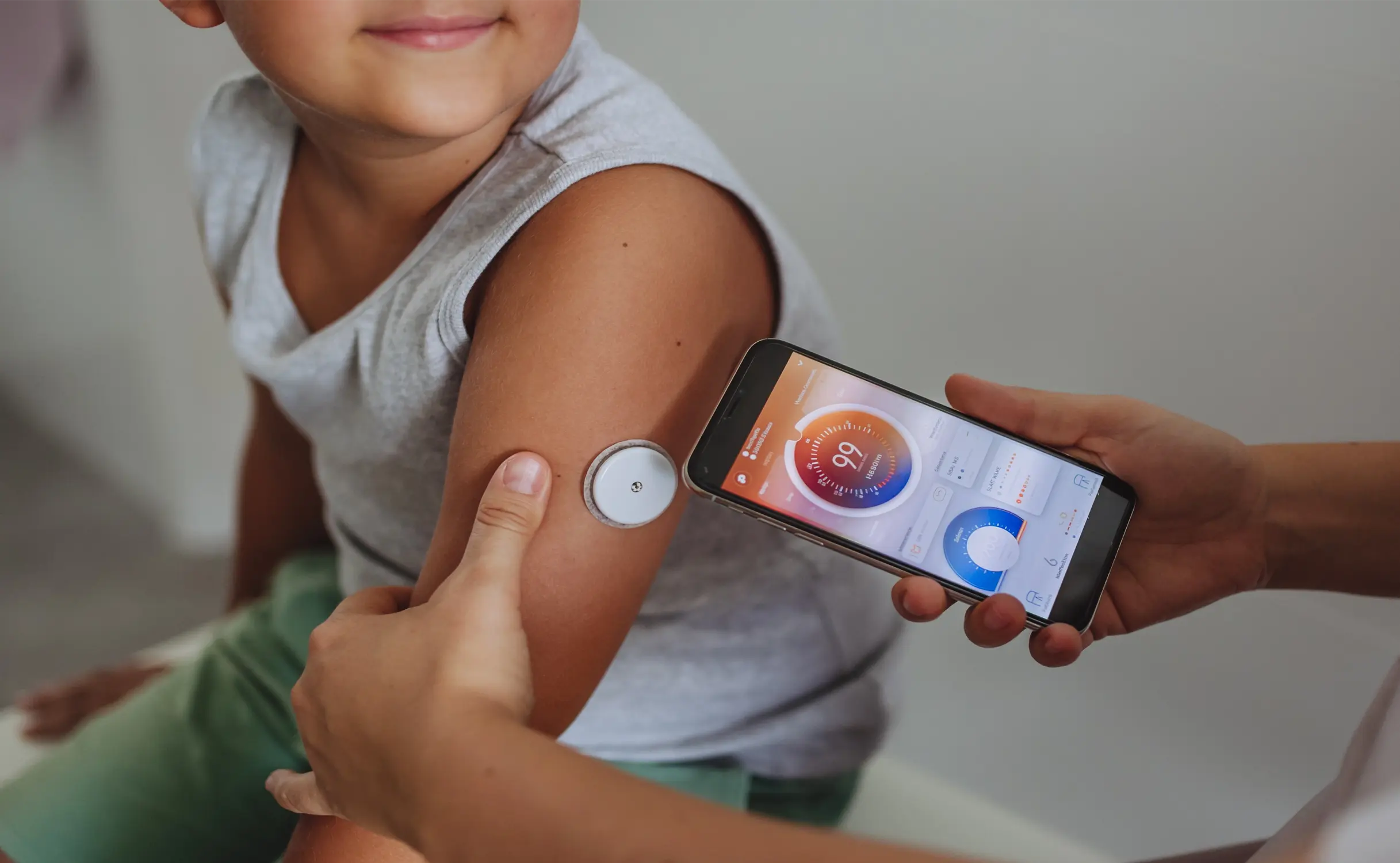
NOVABioelectronics
 NOVA
NOVADot Dispensing
 NOVA
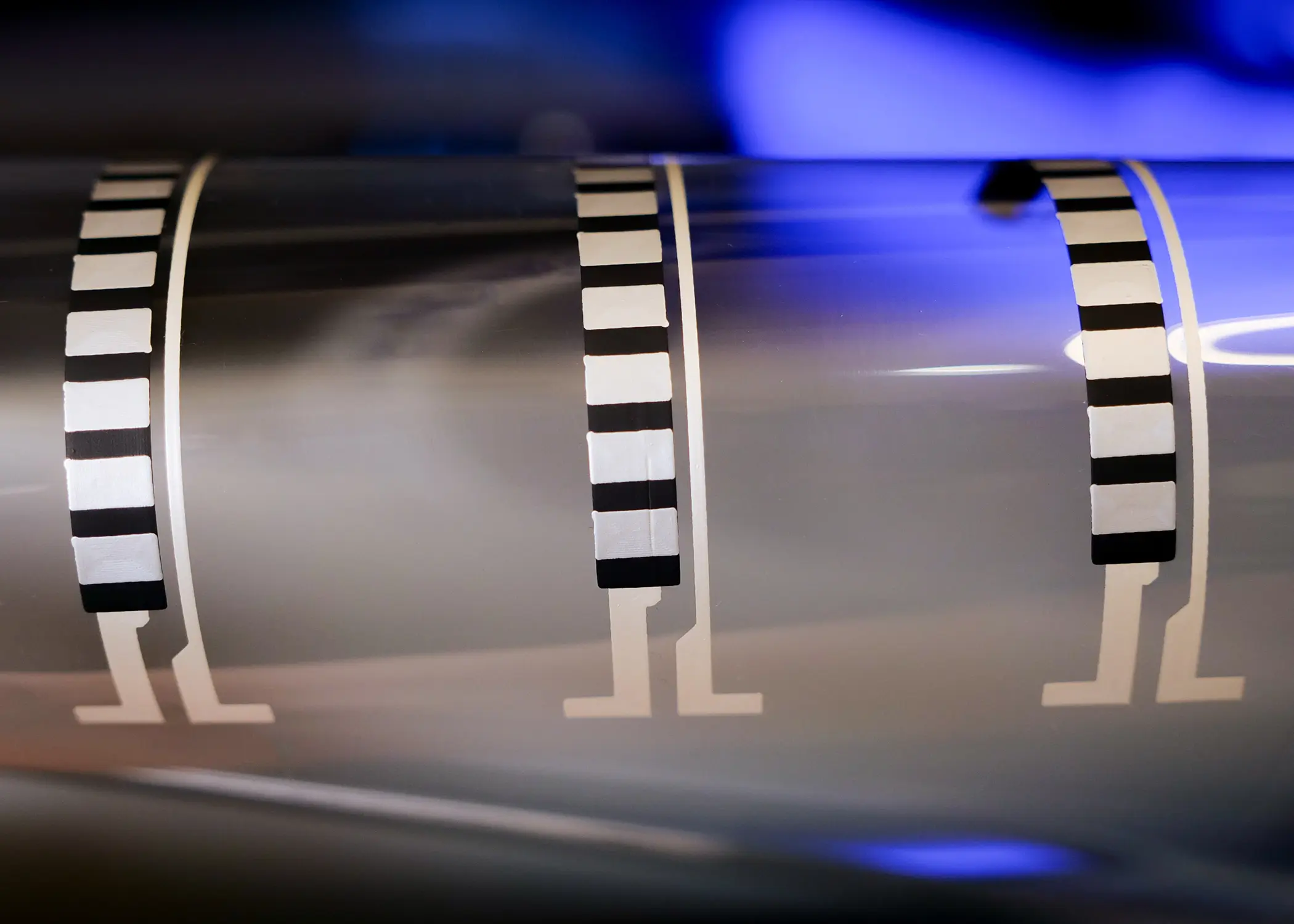
NOVAElectroluminescent Displays
 NOVA
NOVAFlex sensors
 NOVA
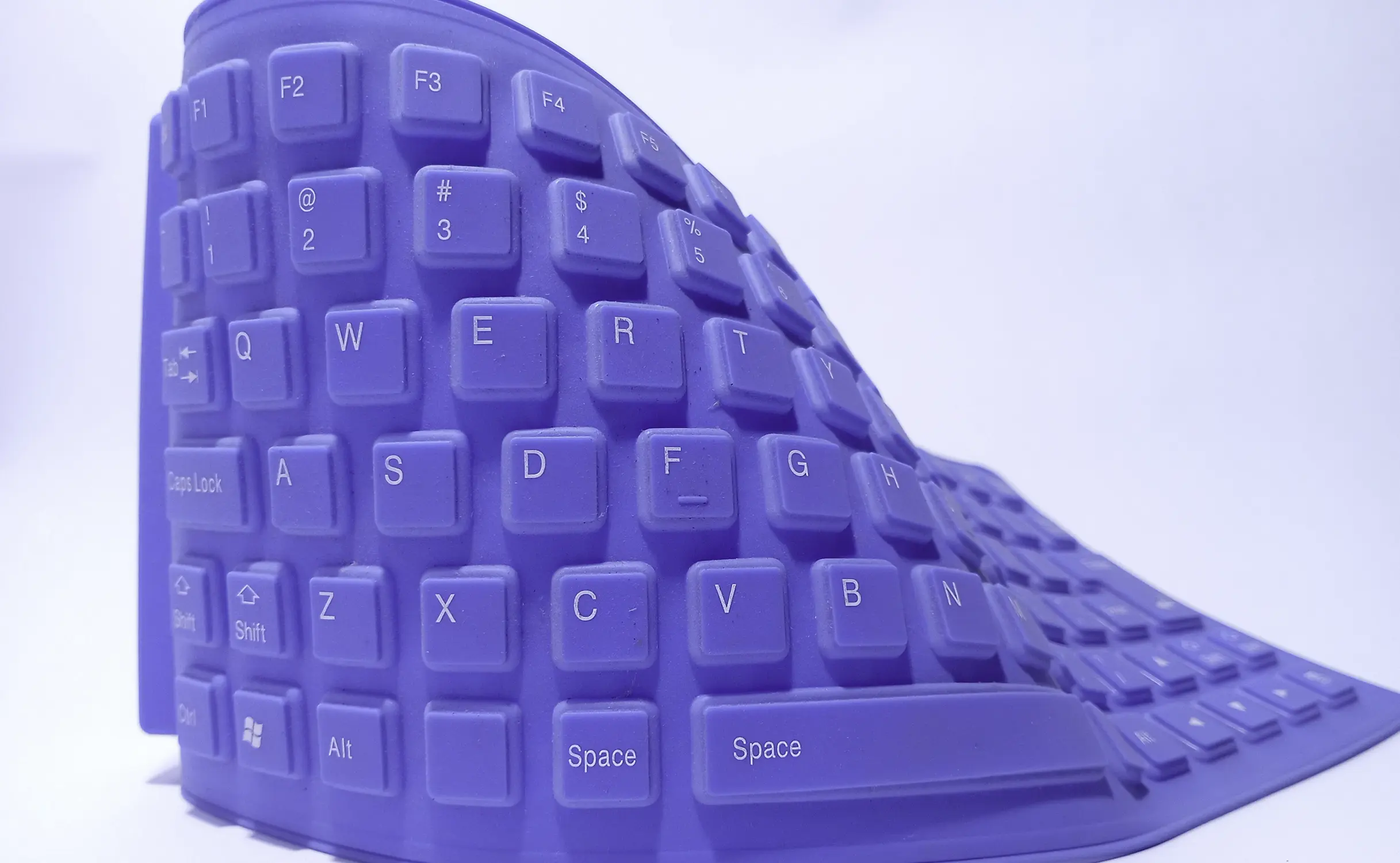
NOVAFlexible Membrane Switches
 NOVA
NOVAFlexible PCBs
 V-OneNOVA
Force Sensitive Resistors
 NOVA
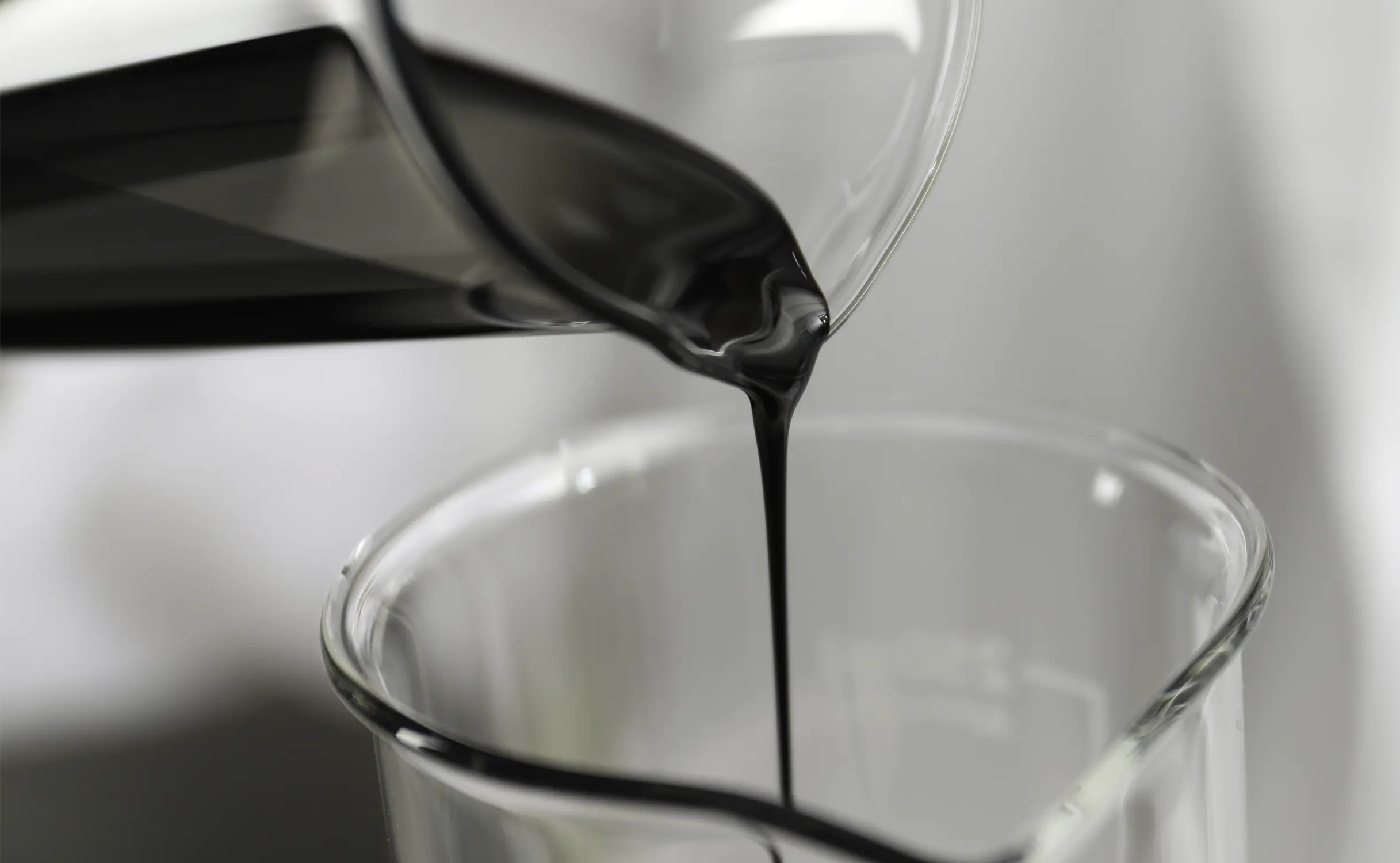
NOVAFunctional Ink Development
 V-OneNOVA
Green Electronics
 NOVA
NOVAIn-Mold Electronics
 V-One
V-OnePCB Prototyping
 NOVA
NOVAPrinted Antennas
 NOVA
NOVAPrinted Batteries
 V-OneNOVA
Solder Paste Printing
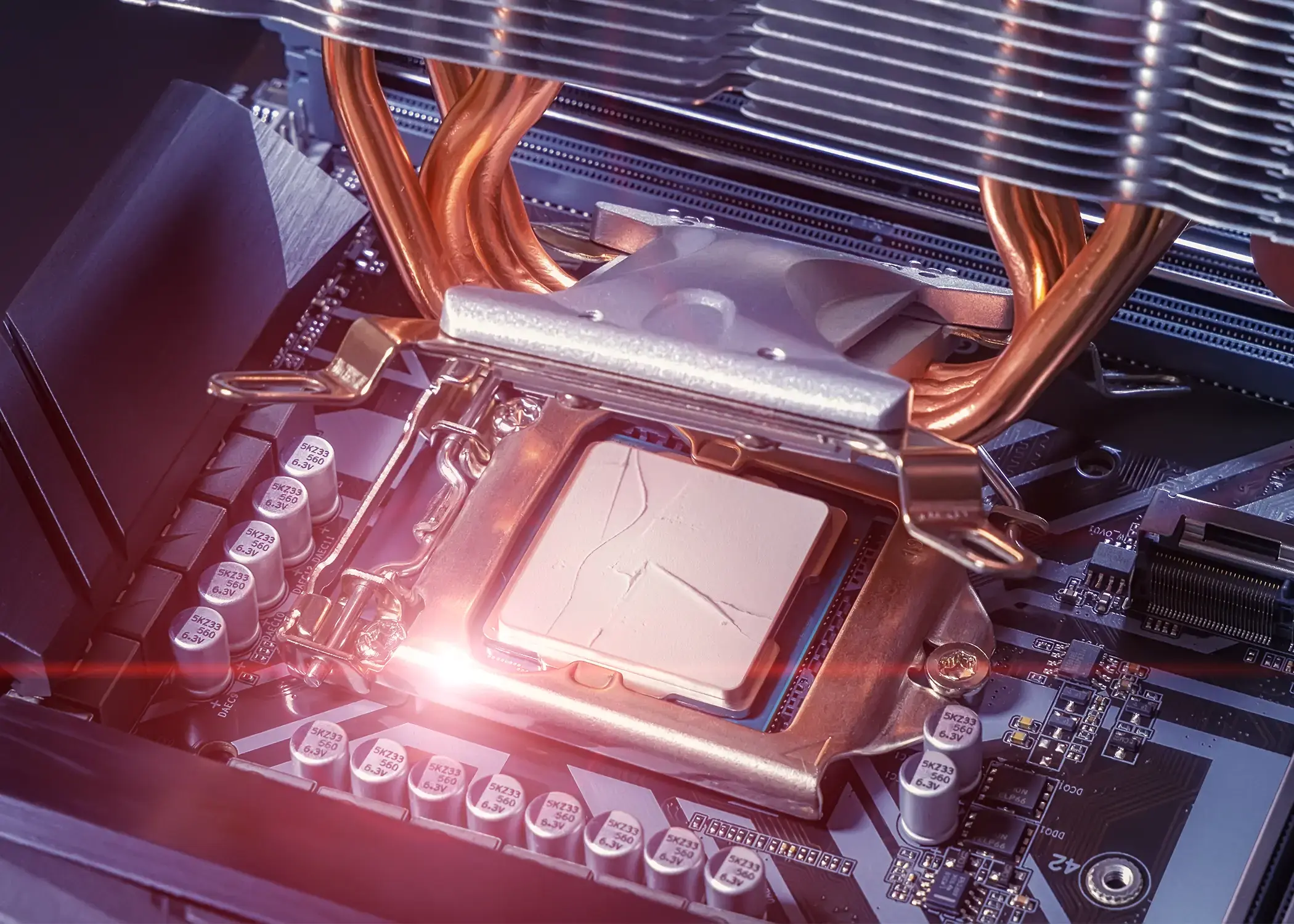 NOVA
NOVAThermal Interface Material
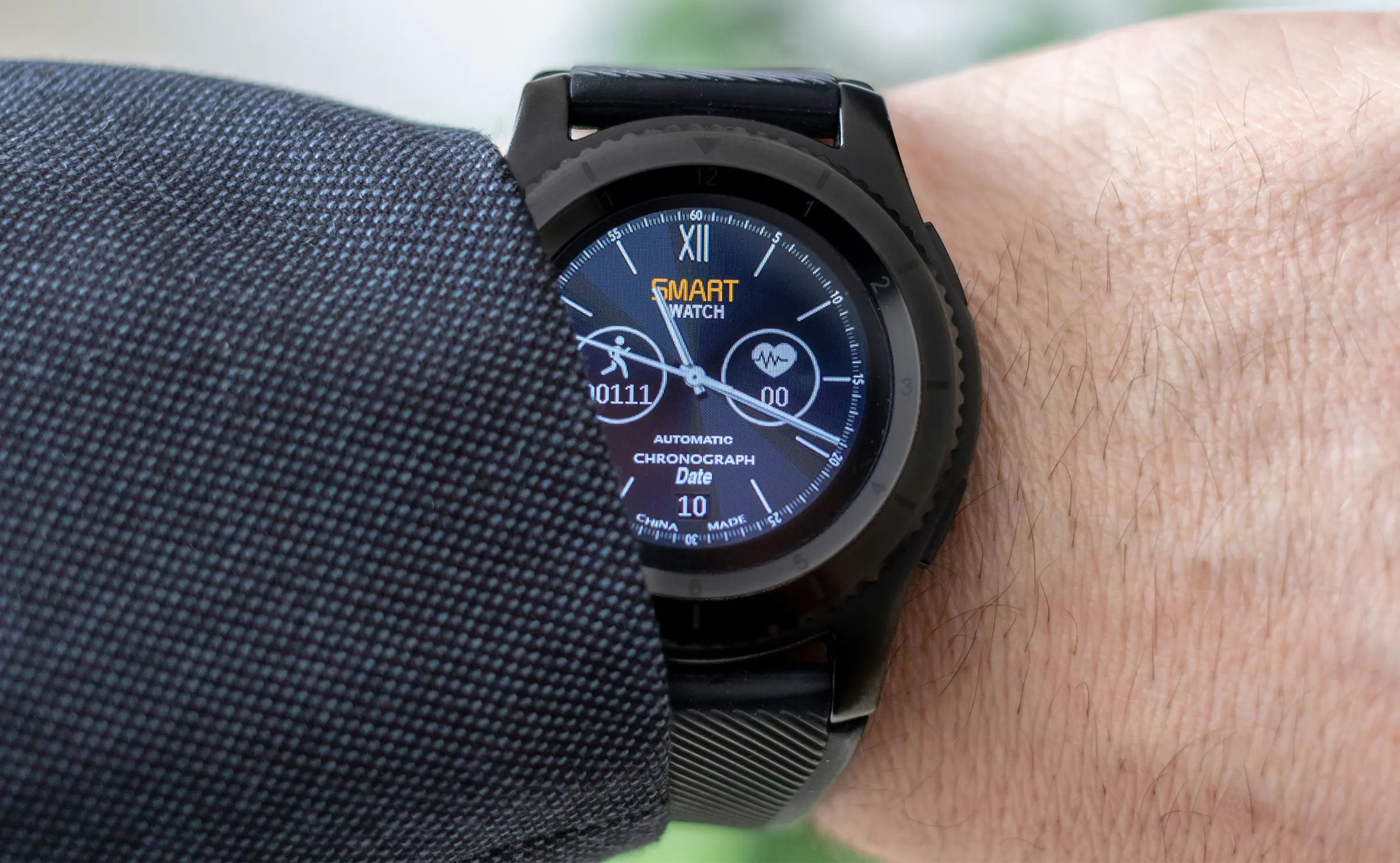 NOVA
NOVAWearable Flexible Electronics
FAST FACTS
Frequently asked questions
Printed electronics move past rigid printed circuit boards into circuits on flexible, stretchable, bendable, and even porous materials (e.g., paper). With advanced printing technologies such as direct ink writing, conductive nano particle inks, and adaptable printing processes, teams can prototype designs faster than outsourcing and scale to low-cost, large-volume production with ease.
With NOVA, researchers can develop flexible PCB applications, stretchable circuits, and e-textiles such as active clothing or electronic skin patches. Flexible and printed electronics can bend, stretch, and conform to form factors not achievable with traditional methods.
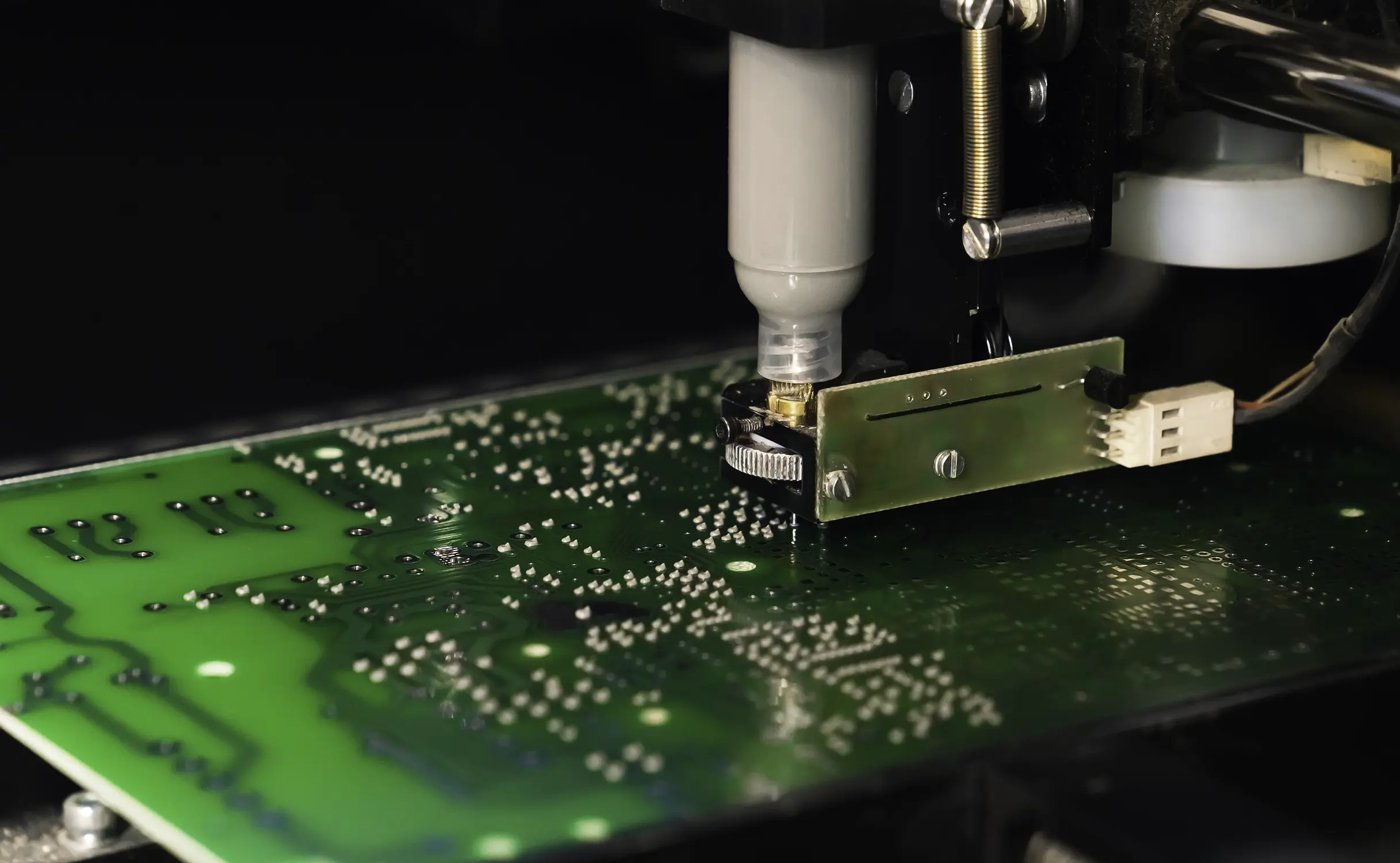
V-One is designed for printed circuit board prototyping on rigid substrates. It can print conductive inks, dispense solder paste, and reflow solder directly on the board, making it a cost-effective way to iterate during the prototyping and development stages.
Unlike inkjet printing, screen printing, or gravure printing, which are often optimized for large-scale production, Voltera’s direct ink writing approach is designed for rapid prototyping and material exploration. It lets you evaluate printable materials and iterate quickly in the lab before scaling with other printing techniques.
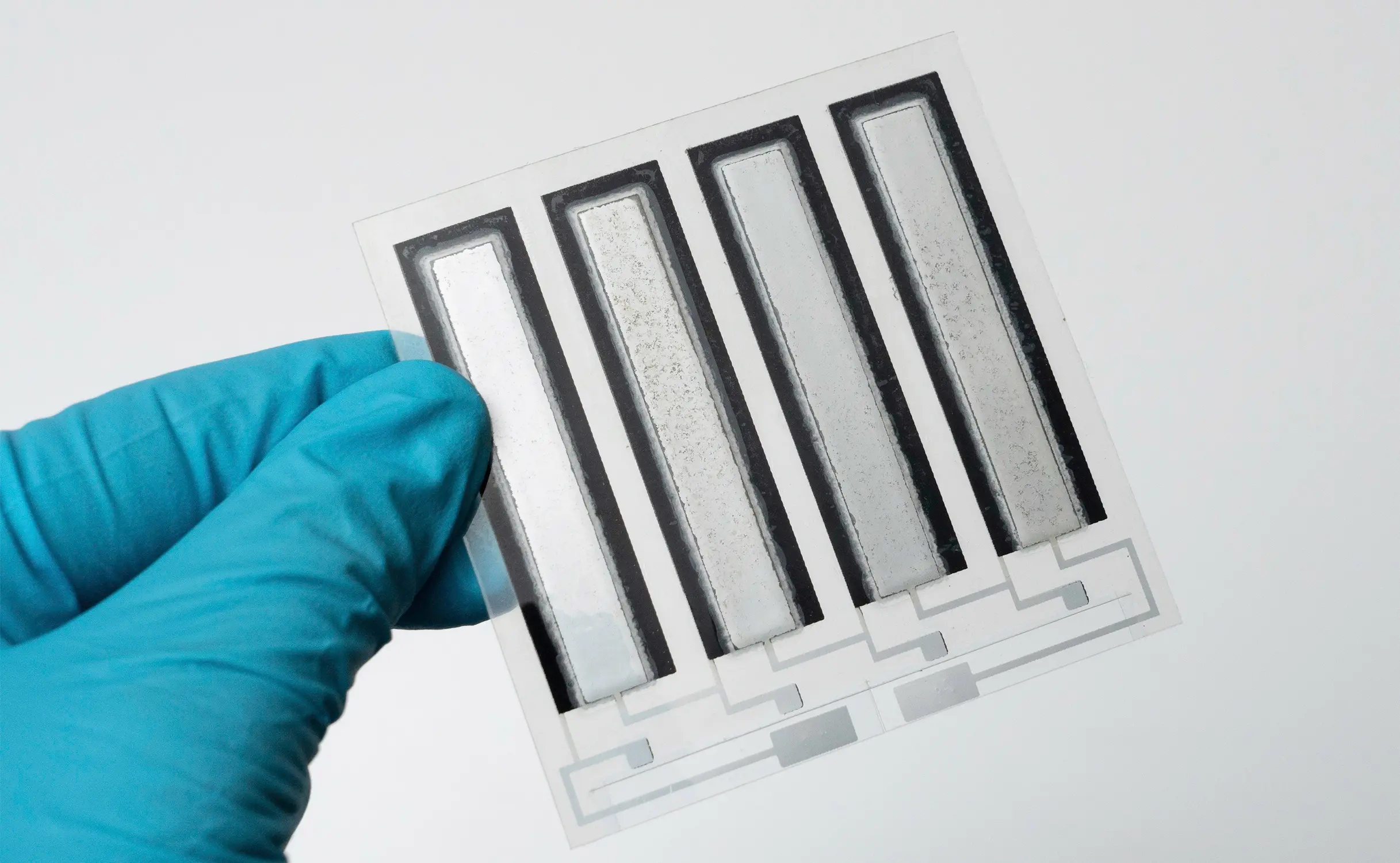
Common flexible projects include printed sensors, wireless sensors, smart labels, and membrane switches. Researchers also use Voltera systems to test organic light emitting diodes (OLED displays), electrodes, thin film circuits, or even energy devices like batteries and solar cells. Non-flexible electronics such as timers, oscillators, voltage regulators, and digital electronics can also be prototyped.
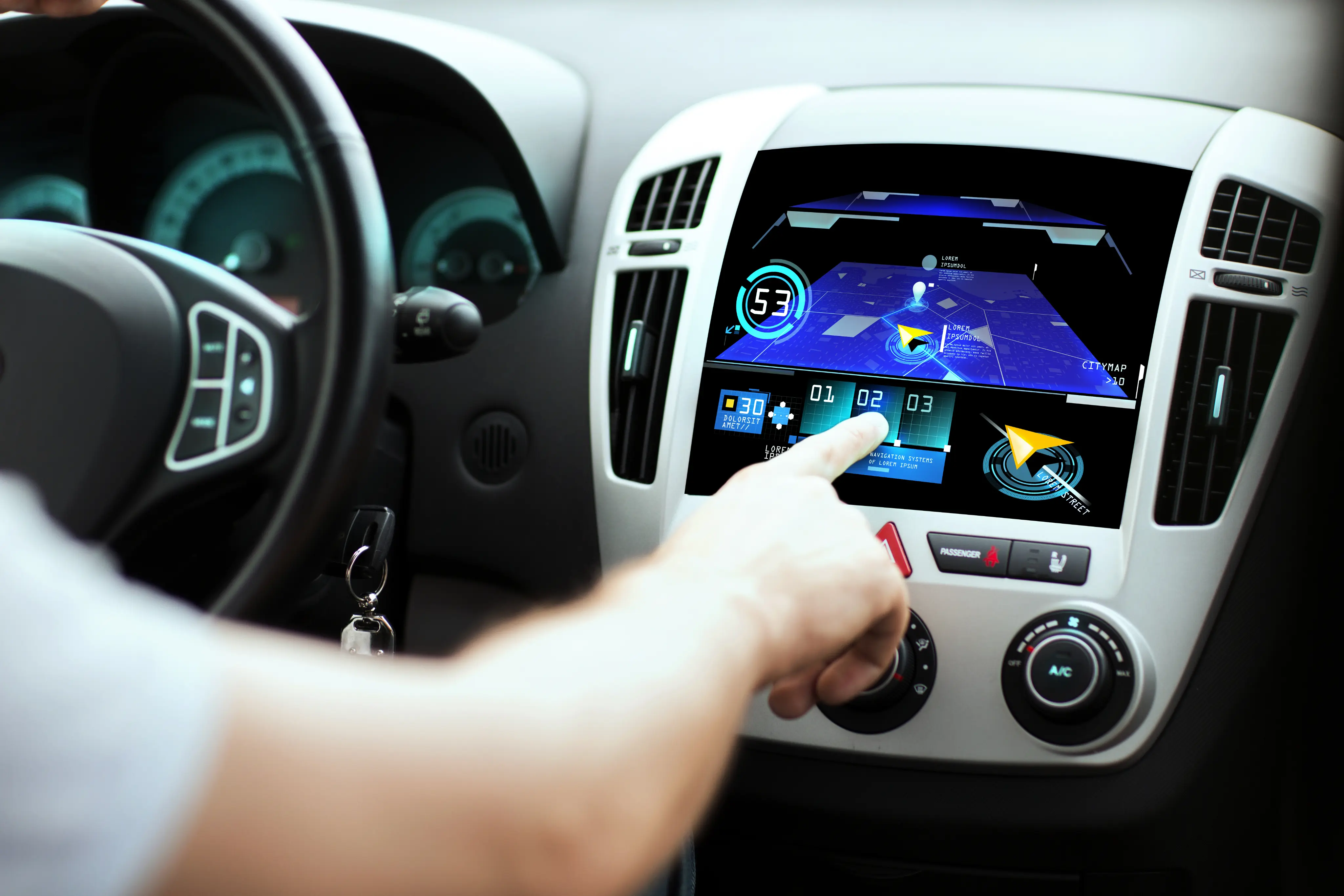
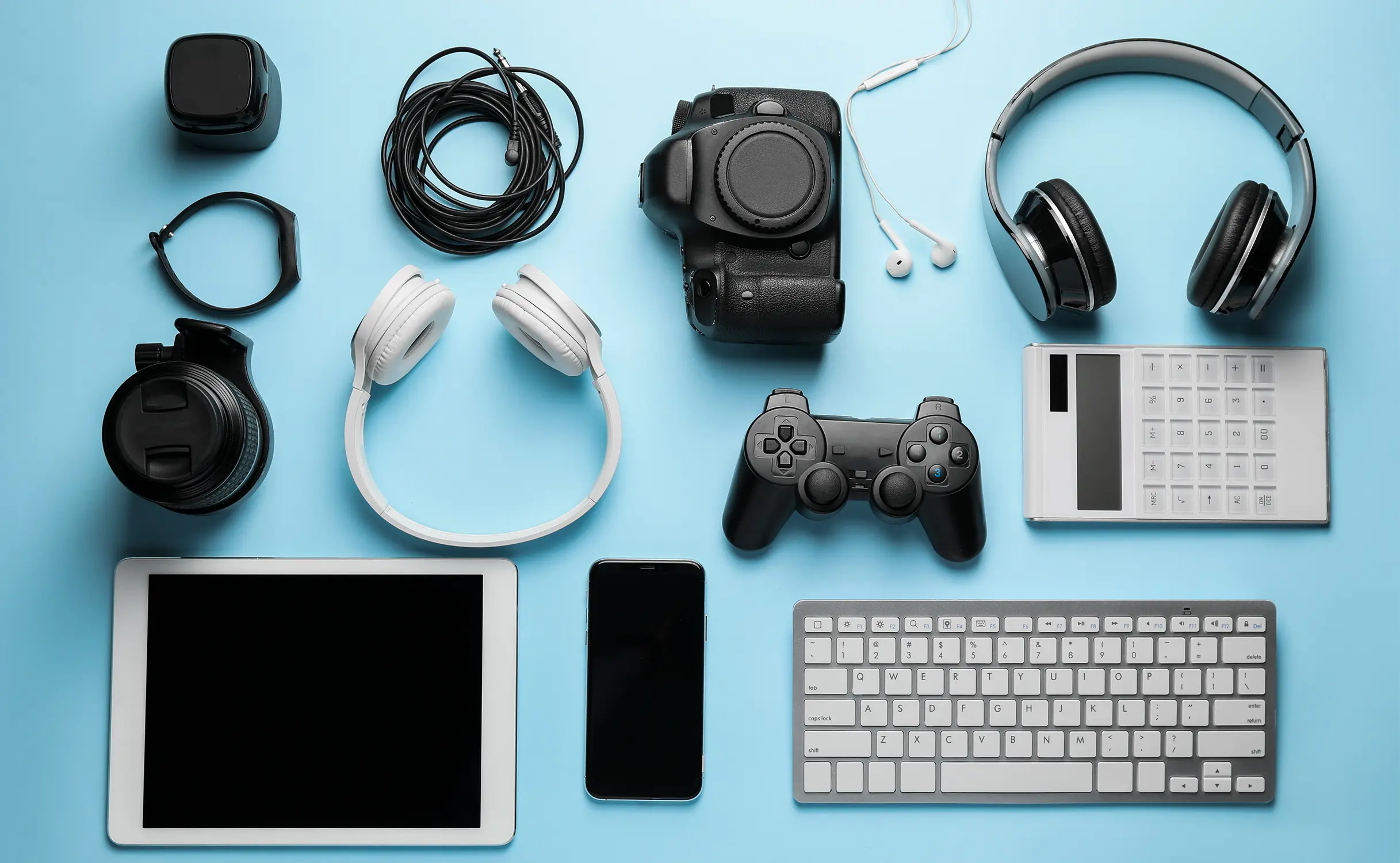
Yes. By keeping development in-house, researchers avoid outsourcing delays and achieve low-cost iteration during the prototyping and development stages. This helps teams in consumer electronics, automotive, and other industrial applications bring concepts to life faster while maintaining IP control.
Printed electronics move past rigid printed circuit boards into circuits on flexible, stretchable, bendable, and even porous materials (e.g., paper). With advanced printing technologies such as direct ink writing, conductive nano particle inks, and adaptable printing processes, teams can prototype designs faster than outsourcing and scale to low-cost, large-volume production with ease.
V-One is designed for printed circuit board prototyping on rigid substrates. It can print conductive inks, dispense solder paste, and reflow solder directly on the board, making it a cost-effective way to iterate during the prototyping and development stages.
Common flexible projects include printed sensors, wireless sensors, smart labels, and membrane switches. Researchers also use Voltera systems to test organic light emitting diodes (OLED displays), electrodes, thin film circuits, or even energy devices like batteries and solar cells. Non-flexible electronics such as timers, oscillators, voltage regulators, and digital electronics can also be prototyped.
With NOVA, researchers can develop flexible PCB applications, stretchable circuits, and e-textiles such as active clothing or electronic skin patches. Flexible and printed electronics can bend, stretch, and conform to form factors not achievable with traditional methods.
Unlike inkjet printing, screen printing, or gravure printing, which are often optimized for large-scale production, Voltera’s direct ink writing approach is designed for rapid prototyping and material exploration. It lets you evaluate printable materials and iterate quickly in the lab before scaling with other printing techniques.
Yes. By keeping development in-house, researchers avoid outsourcing delays and achieve low-cost iteration during the prototyping and development stages. This helps teams in consumer electronics, automotive, and other industrial applications bring concepts to life faster while maintaining IP control.