Wearable Flexible Electronics
Rapidly prototype wearable electronics with flexible substrates
Wearable Flexible Electronics
Rapidly prototype wearable electronics with flexible substrates
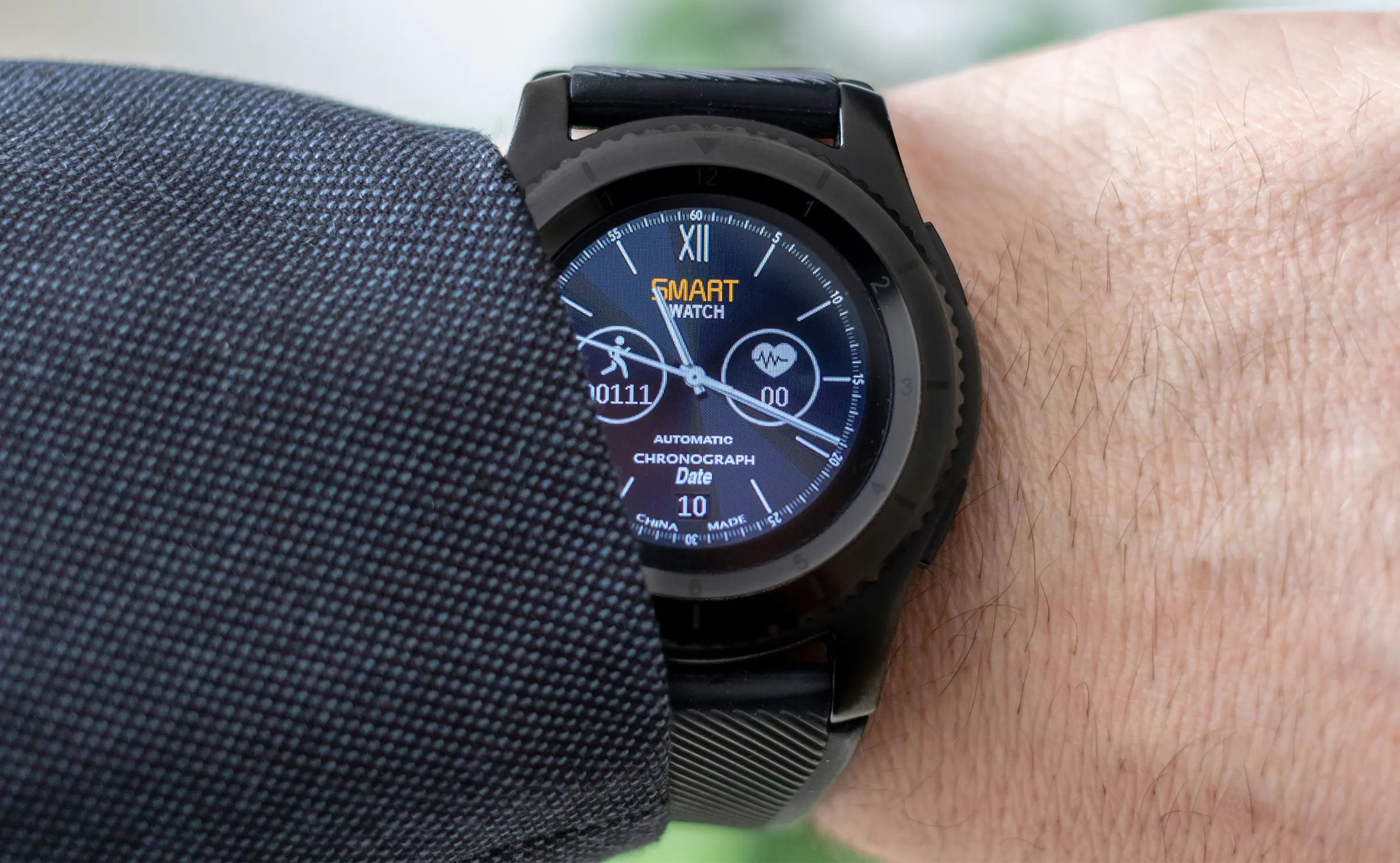
Wearables are electronic devices designed to be worn on the body, implanted beneath the skin, or even embedded as smart tattoos. Other commonly used wearables include footwear, bodywear, wristwear, eyewear, headwear, and microchip implants [1].
While not all wearables are inherently flexible, they comprise a substantial portion of flexible electronics manufacturing. Many incorporate flexible screens, smart textiles, flexible batteries, energy harvesting devices, flexible integrated circuits, and other materials, allowing them to move with the body without sacrificing comfort or losing electrical conductivity.

APPLICABLE INDUSTRIES
- Healthcare
- Fitness and sports
- Military defense
- Education and training
COMMON MATERIALS
- Stretchable conductive inks
- Stretchable dielectric inks
- Stretchable semiconductor inks
COMMON SUBSTRATES
- Polymers
- Fabric
- Skin
INDUSTRY
INDUSTRY
FUTURE OUTLOOK
FAST FACTS
Frequently asked questions
Many of the various materials involved in wearable electronics are sensitive to high temperatures. Conductive polymers may begin degrading at temperatures as low as 80-150°C, while metal-based conductive materials typically endure 200-300°C without degradation. However, such high temperatures are rarely necessary in post-processing for wearable devices. Overheating can warp the substrate materials or damage the mechanical flexibility required for wearable applications. This limits the fabrication options for wearable devices. To address this challenge, further research is needed on new materials such as organic semiconductors and incorporating materials like carbon nanotubes to maintain performance while withstanding processing conditions.
Flexible electronics enable high-precision devices like health monitoring electrodes, wearable sensors, skin patches for medical diagnostics, implantable biosensors, and flexible displays. These technologies are making significant progress toward transforming healthcare, fitness, defense, and consumer industries by making electronics more adaptable, comfortable, and functional for everyday use.
Prototyping wearable electronics typically uses direct ink writing or inkjet printing techniques rather than traditional electronics fabrication like rigid PCB manufacturing. Tools like NOVA allow printing functional inks directly onto soft or stretchable surfaces without requiring expensive cleanroom setups.
Many of the various materials involved in wearable electronics are sensitive to high temperatures. Conductive polymers may begin degrading at temperatures as low as 80-150°C, while metal-based conductive materials typically endure 200-300°C without degradation. However, such high temperatures are rarely necessary in post-processing for wearable devices. Overheating can warp the substrate materials or damage the mechanical flexibility required for wearable applications. This limits the fabrication options for wearable devices. To address this challenge, further research is needed on new materials such as organic semiconductors and incorporating materials like carbon nanotubes to maintain performance while withstanding processing conditions.
Prototyping wearable electronics typically uses direct ink writing or inkjet printing techniques rather than traditional electronics fabrication like rigid PCB manufacturing. Tools like NOVA allow printing functional inks directly onto soft or stretchable surfaces without requiring expensive cleanroom setups.
Flexible electronics enable high-precision devices like health monitoring electrodes, wearable sensors, skin patches for medical diagnostics, implantable biosensors, and flexible displays. These technologies are making significant progress toward transforming healthcare, fitness, defense, and consumer industries by making electronics more adaptable, comfortable, and functional for everyday use.