How a Pick and Place Machine Revolutionizes PCB Assembly
How a Pick and Place Machine Revolutionizes PCB Assembly
- By: Shuxuan Jiang
- Published: February 2, 2026 |
Modified: June 2, 2026 - Estimated read time: 9 minutes
- By: Shuxuan Jiang
- Published: February 2, 2026 |
Modified: June 2, 2026 - Estimated read time: 9 minutes
- 1. What is automated PCB assembly
- 2. How do pick and place machines work
- 3. Types of pick and place machines
- 4. Desktop pick and place systems
- 5. Industrial pick and place systems
- 6. Automating PCB assembly with pick and place machines
- 7. More complex and high-density designs
- 8. Higher throughput
- 9. Higher quality and reliability
- 10. Conclusion
- 11. References
- 1. What is automated PCB assembly
- 2. How do pick and place machines work
- 3. Types of pick and place machines
- 4. Desktop pick and place systems
- 5. Industrial pick and place systems
- 6. Automating PCB assembly with pick and place machines
- 7. More complex and high-density designs
- 8. Higher throughput
- 9. Higher quality and reliability
- 10. Conclusion
- 11. References
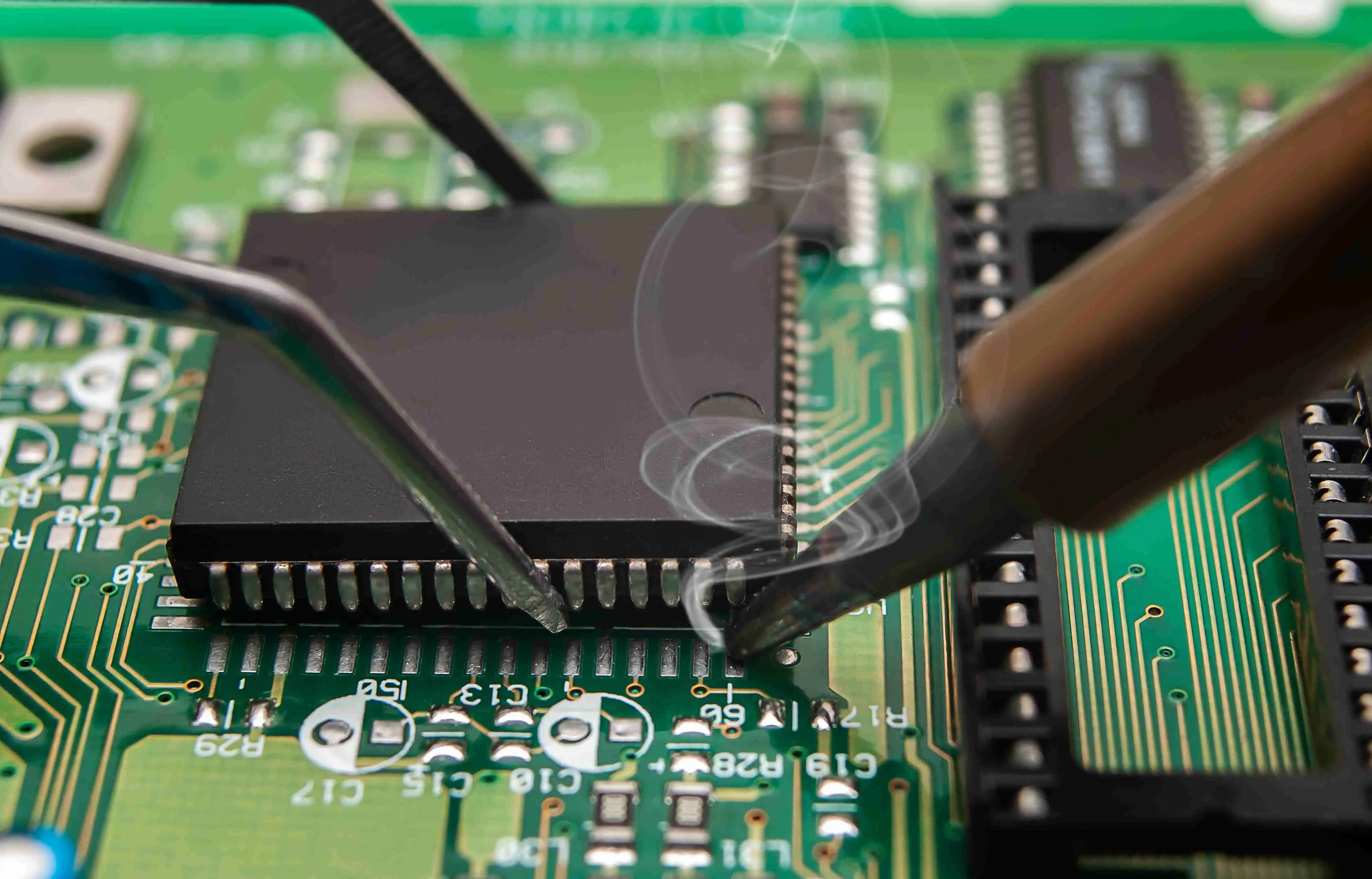
If you or your team have ever had to hand-assemble a batch of printed circuit boards (PCBs), you’ve probably felt the pain of attaching quad-flat no-leads (QFN) components with hidden underside contacts or wrestling with a tiny 0402 capacitor that slides around in solder paste like it has a mind of its own. It’s a battle. By the time you reach your third or fourth board, the sun has set, your hands are shaky, and your eyes are starting to blur.
The frustration only grows when you’re in a pinch and need to rework a few components after the solder paste has dried — a task that feels like performing microsurgery with a pair of tweezers. At that point, you’re probably dreaming about having a pick and place machine right on your desk.
What is automated PCB assembly
Automated PCB assembly (PCBA) is the coordinated use of multiple mechanized systems to build electronic boards. Solder paste is first applied using a dedicated solder paste printer or dispenser, components are then placed with a pick and place machine, also known as P&P machines or surface mount technology (SMT) machines, and finally the assemblies are reflowed in a dedicated oven.
How do pick and place machines work
A pick and place machine is a specialized robotic system used in PCB assembly to automatically pick up electronic components and accurately place them onto the board’s surface. In SMT assembly, the pick and place machine is the workhorse that populates the PCB with SMD components (chips, resistors, capacitors, etc.) following the PCB design file.
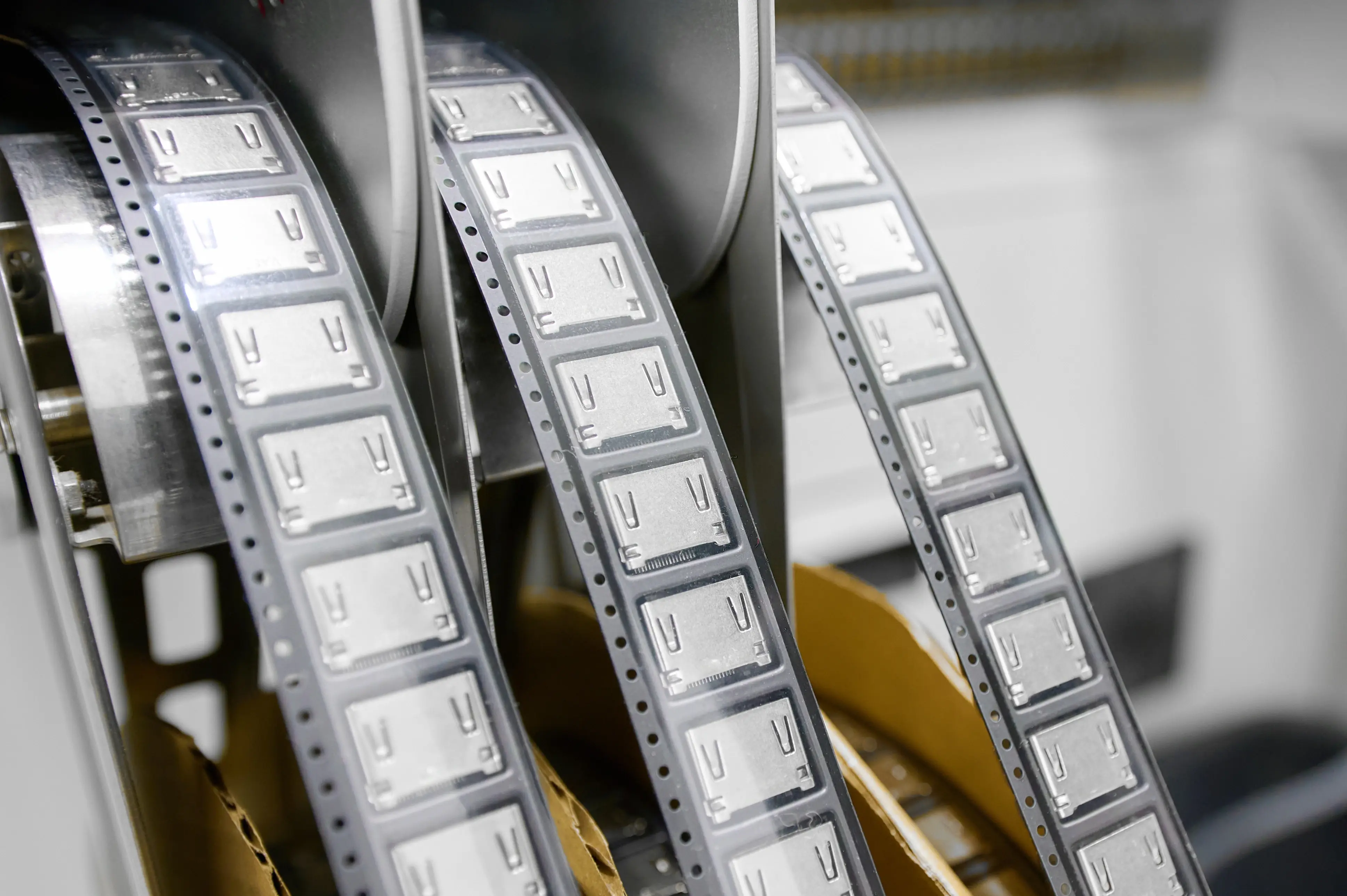
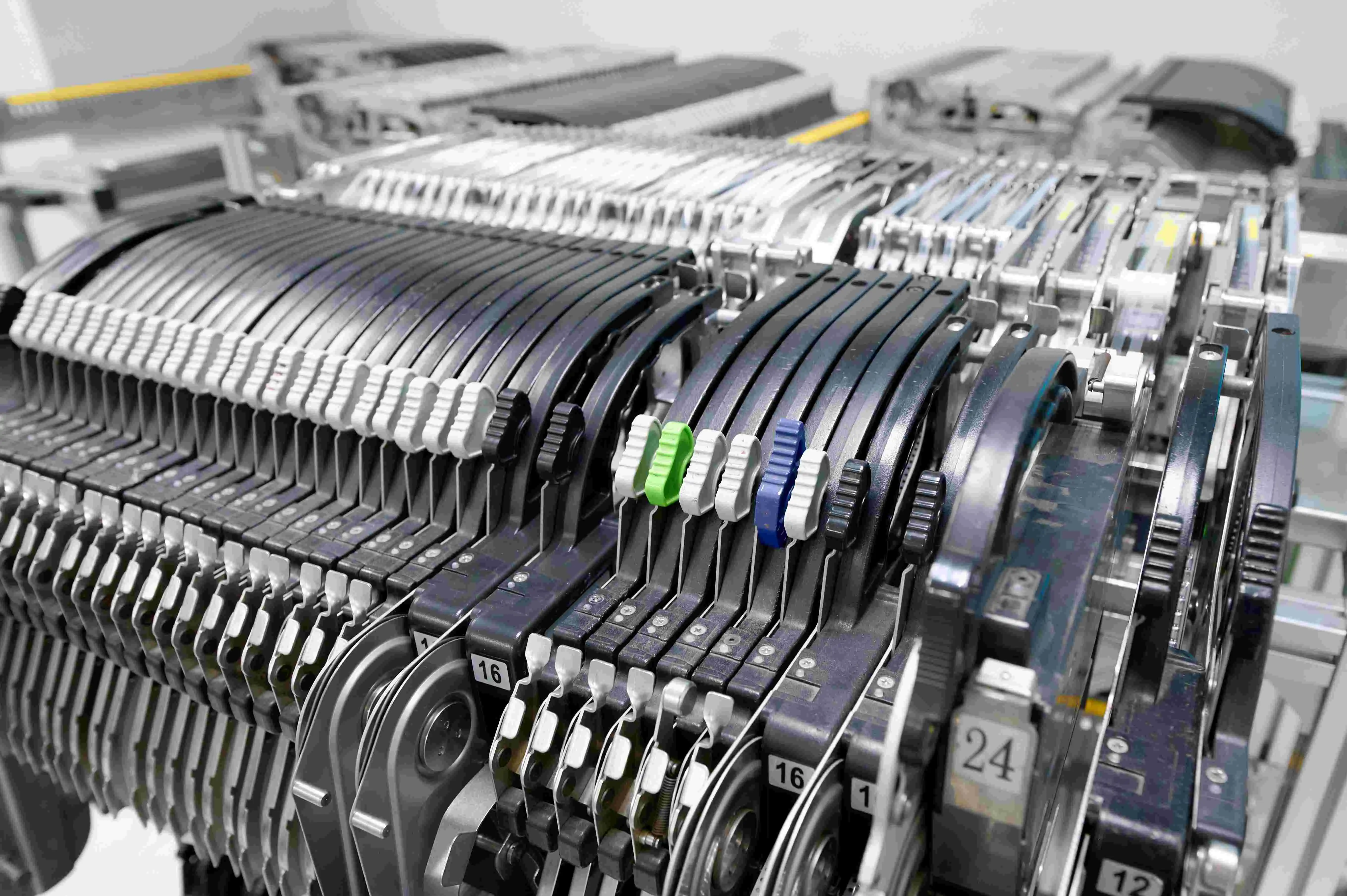
These machines load components of various types of packaging (e.g., tape, sticks, and trays) from a feeder system, and then manipulate them into the correct orientation before placing them onto the PCB’s solder paste-coated pads [1]. This automated pick and place process is far more precise and repeatable in placing surface mount devices (SMDs) and through-hole components on circuit boards, compared to manual PCB assembly, which is far slower and prone to errors.
Types of pick and place machines
Depending on their intended use cases (i.e., PCBA prototyping vs mass production), pick and place machines can be broadly categorized into two types: desktop and industrial pick and place systems.
Desktop pick and place systems
Pick and place machines designed for low-volume assembly and prototyping fit easily on a workbench and require minimal facility infrastructure compared to factory-grade equipment.
They prioritize flexibility and ease of use over raw speed or advanced automation.
- Throughput: The placement speeds of desktop pick and place machines are usually modest, typically on the order of 250-2,500 components per hour (CPH). This throughput is sufficient for prototype runs and small batches but is slower than the rates of mass-production equipment.
- Component types: Many desktop pick and place machines can reliably place common SMD components down to sizes like 0603 (1005 metric) or 0402 (1608 metric) using basic vision alignment cameras. However, extremely fine-pitch integrated circuits (ICs), very tiny parts, and large and heavy components remain challenging.
- Feeder type: Desktop pick and place machines support a limited number of component feeders (often on the order of only a few dozen tape reels maximum), so assembling a board with many unique parts may require frequent feeder swaps or manual component placement.
In summary, the key advantage of desktop pick and place machines is quick turnaround and iterative development capability at low cost. Assembling boards in-house with these tools can save engineers weeks of time compared to hand placement or waiting on an external assembly service.
Industrial pick and place systems
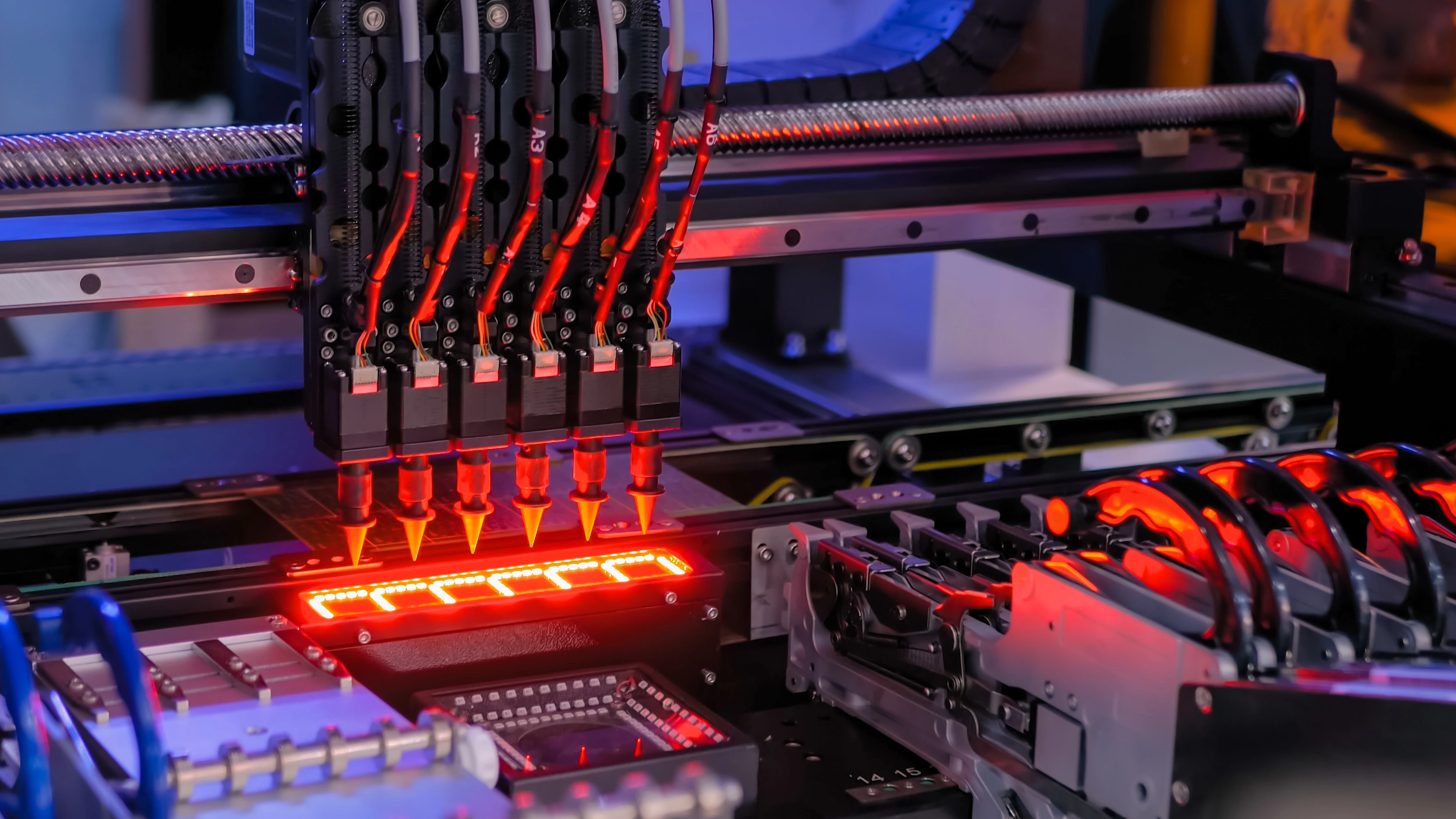
Pick and place machines designed for large-scale manufacturing are usually integrated into automated production lines via conveyor belts that transport PCB panels in and out, synchronizing with solder paste printers and reflow ovens [1]. Their high output justifies the investment, which starts in the tens of thousands of dollars and ranges up to several hundred thousand dollars for a single machine.
Their capabilities are geared toward efficiency and reliability in mass production.
- Throughput: Industrial pick and place machines can mount components at rates of tens of thousands of components per hour. Some can reach even higher speeds, sometimes on the order of 50,000-80,000 CPH.
- Component types: They can handle an extremely wide range of component sizes, from 01005 chips, µBGAs, and fine-pitch QFPs to large connectors, with high precision.
- Feeder type: Feeder systems on high-end industrial pick and place machines are intelligent and designed for quick changeover, allowing operators to load/unload reels or trays rapidly and minimizing downtime.
The industrial pick and place systems excel at running long production runs with minimal errors, drastically reducing the assembly cost per board at scale. The trade-off, however, is the high upfront cost and setup complexity.
Automating PCB assembly with pick and place machines
Pick and place machines have fundamentally transformed PCB assembly in several dimensions.
More complex and high-density designs
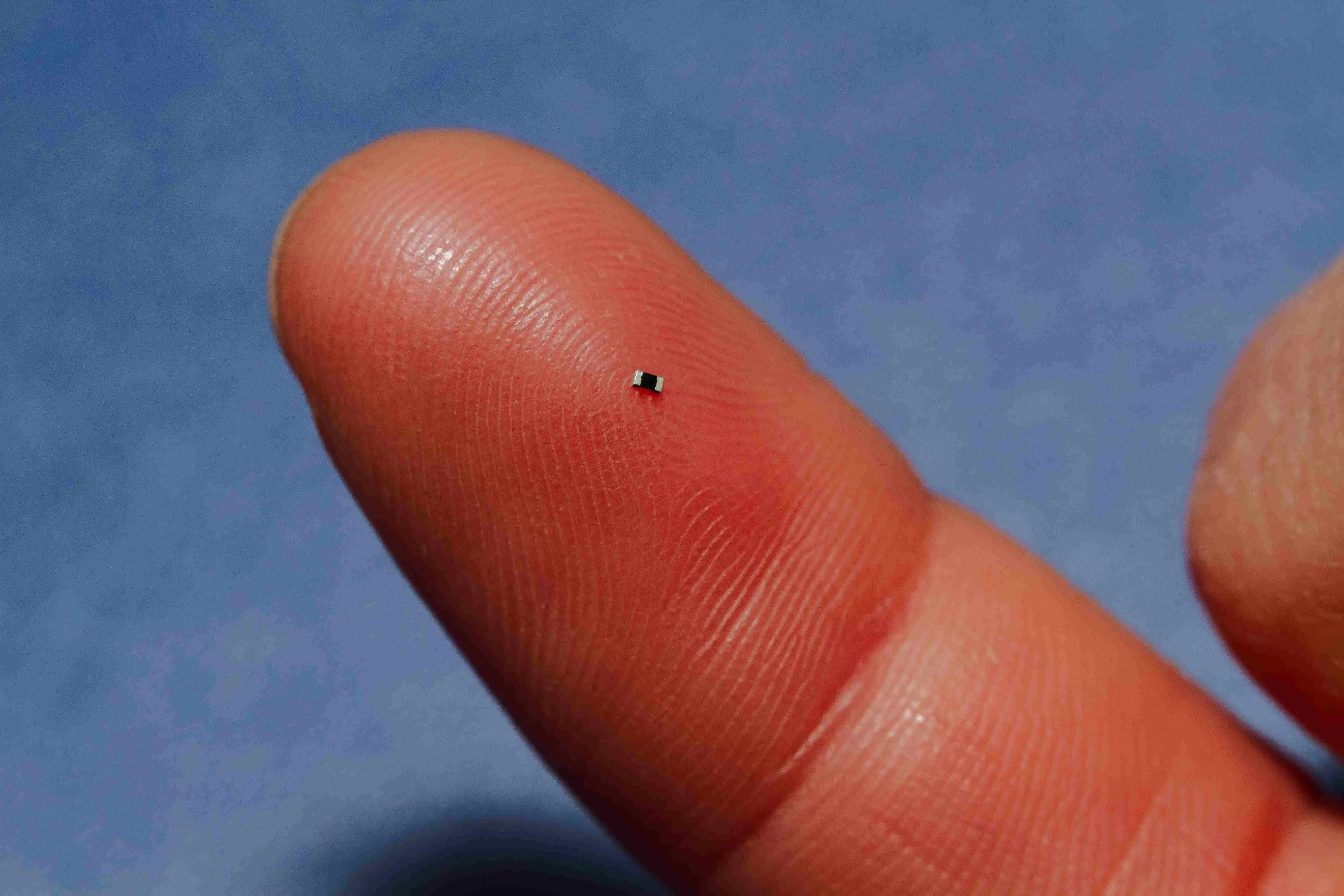
Since placement robots can handle tiny SMD packages and densely packed layouts, PCB designers are less constrained by what a human can assemble. We now routinely see boards packed with hundreds of components, including microprocessors in fine-pitch ball grid arrays (BGAs), 0402-size passives, and ICs mounted on both sides of a board.
Higher throughput
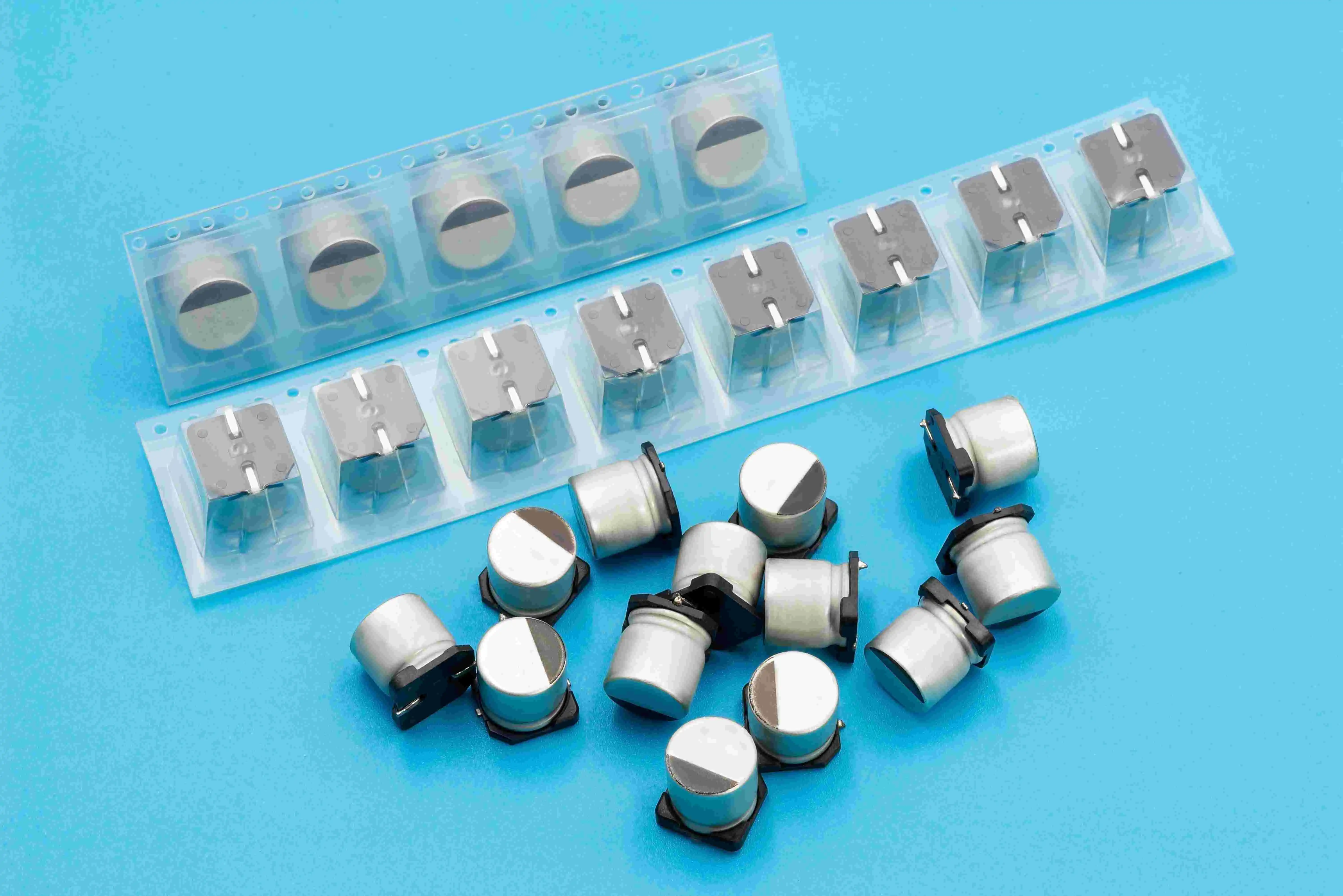
Whether desktop or industrial, P&P machines allowed the industry to scale output both during prototyping and manufacturing stage to levels that human labor could not match. The consistent speed of pick and place automation has driven down costs of developing electronics, turning once expensive smartphones, computers, and appliances into affordable commodities.
Higher quality and reliability
The precision of pick and place robotics has raised the quality bar for PCB assemblies. Machines place components with micrometer accuracy and repeatability, reducing the occurrence of misaligned parts and soldering mistakes common in manual assembly. This has led to better yields and more reliable electronics.
Conclusion
Regardless of the stage you’re in, automated PCB assembly offers critical advantages that saves tremendous time and trouble. If you’re interested in learning more about SMT P&P machines, check out the following resources:
- Blog: Is Your Pick and Place Machine Helping or Holding You Back?
- Blog: What is PCBA? A Guide to Pick-and-Place Options
- Blog: Why In-House PCB Assembly is the Next Leap for Agile Hardware Teams
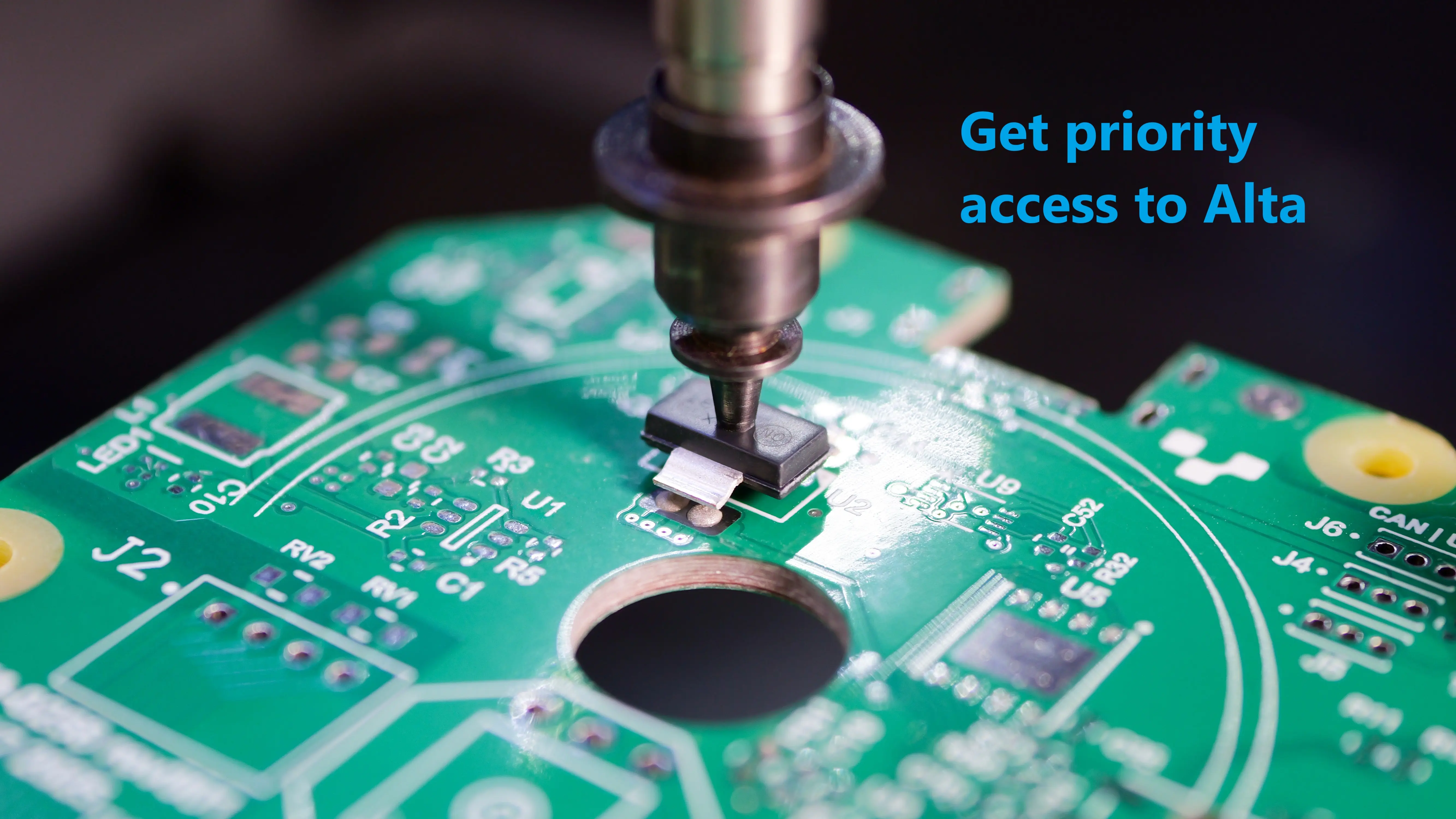
Looking for a pick and place machine built for prototyping? Don’t miss limited priority access to the Voltera Alta, a pick and place machine integrated with solder paste dispensing to make PCB assembly fast, easy, and enjoyable.
References
[1] Ayob, M., & Kendall, G. (2008). A survey of surface mount device placement machine optimisation: Machine classification. European Journal of Operational Research, 186(3), 893–914. https://doi.org/10.1016/j.ejor.2007.03.042.
Check out our customer stories
Take a closer look at what our customers are doing in the industry.