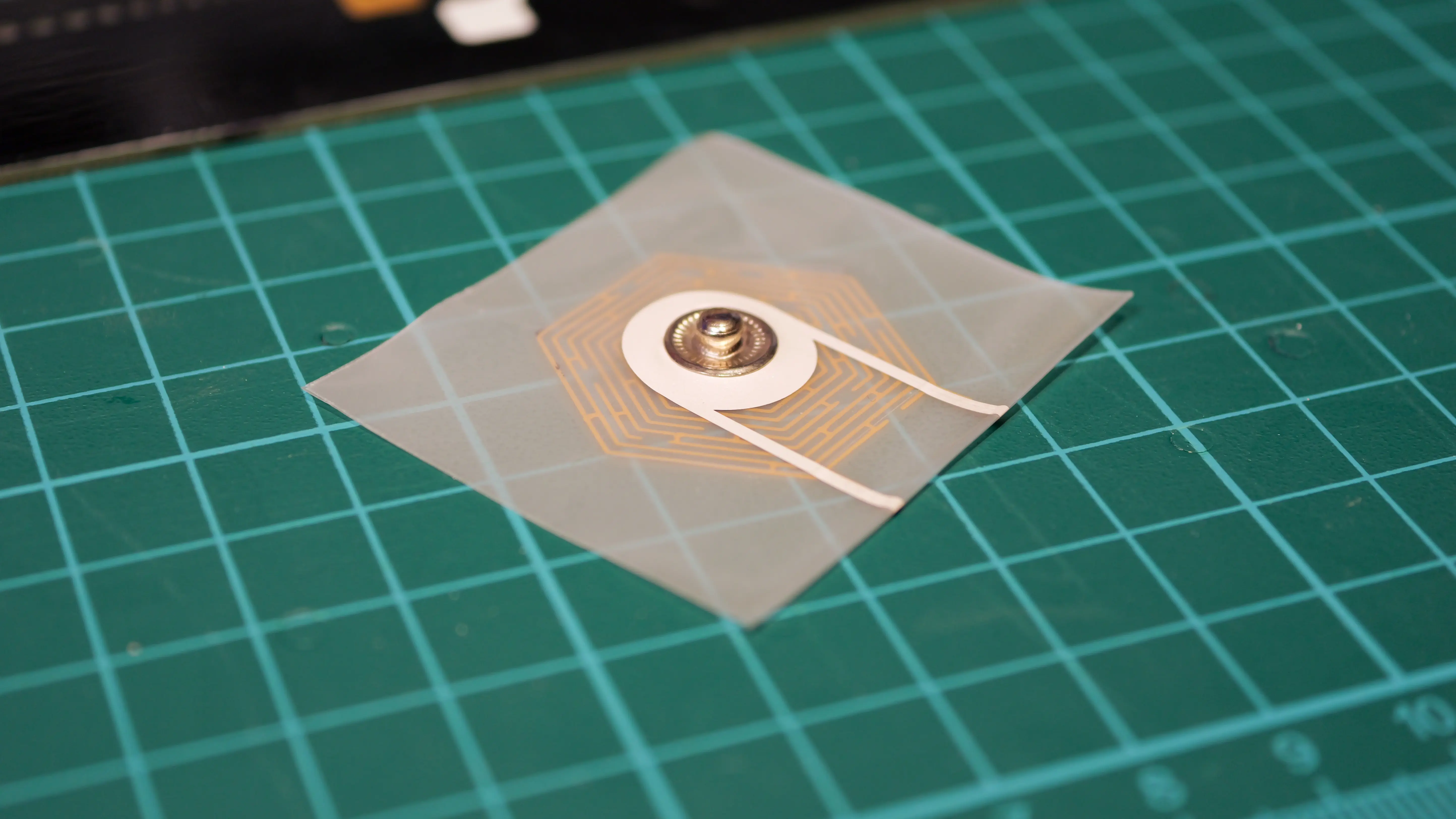
Bioelectronics
Bring your bioelectronics printing in-house
Bioelectronics
Bring your bioelectronics printing in-house
Bioelectronics is a multidisciplinary field that merges biology, computer engineering, materials science, chemistry, and electrical engineering to create devices that monitor or control biological processes. These innovative devices integrate electronic components like sensors and circuits with biological systems, including cells, tissues, and organs.
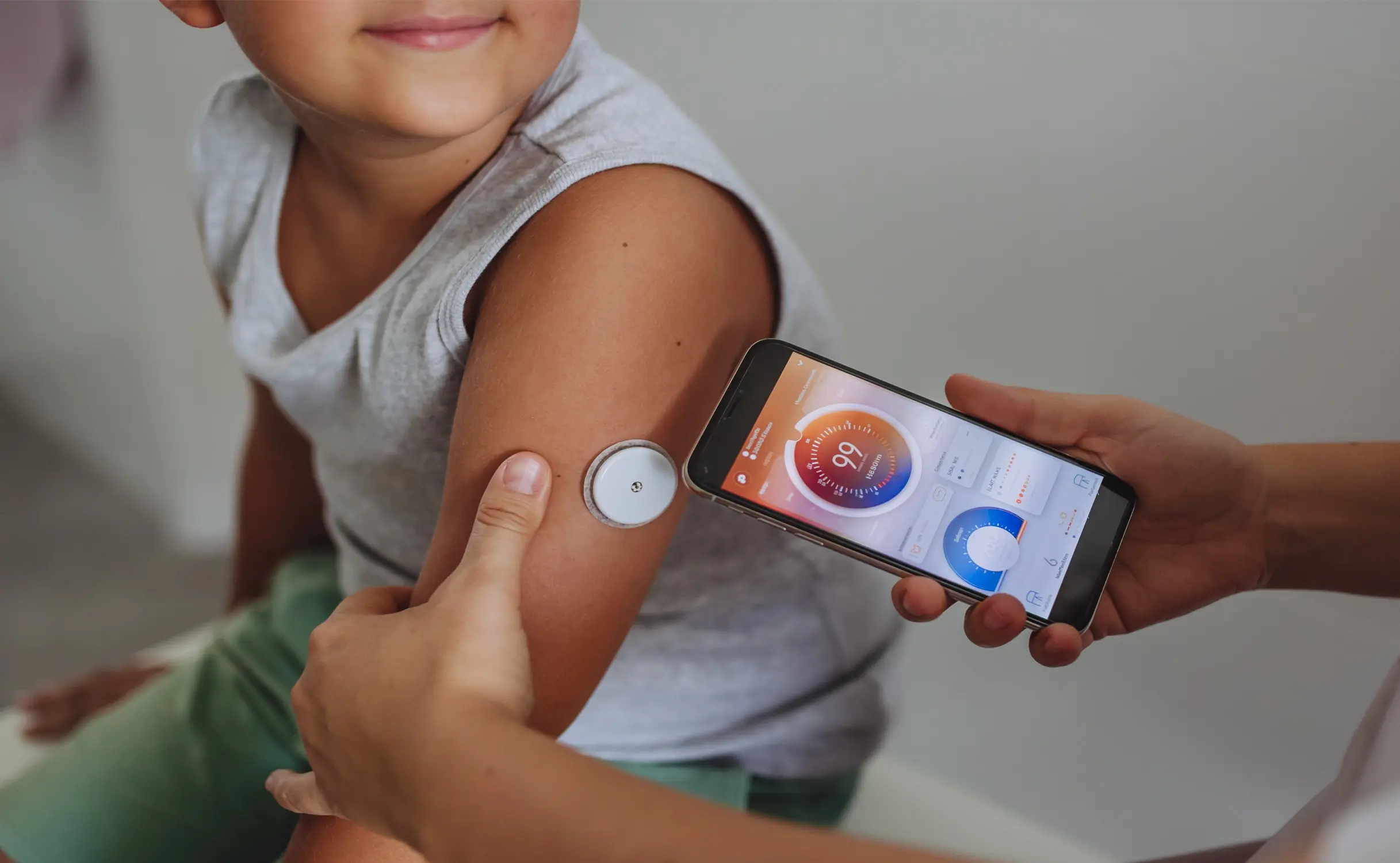
Bioelectronic technology spans a range of applications, including biomedical sensors, energy storage and harvesting devices, implantables, and soft robotics [1]. It supports drug delivery, glucose monitoring, treatment, neuroprosthetics for restoring lost functions.
APPLICABLE INDUSTRIES
- Medical
- Prosthetics
- Pharmaceutical
- Consumer electronics
COMMON MATERIALS
- Silver-based inks
- Copper-based inks
- Carbon-based inks
- Gold-based inks
- Polymer-based dielectric inks
- Ceramic-based dielectric inks
COMMON SUBSTRATES
- Polydimethylsiloxane (PDMS)
- Polycarbonate (PC)
- Polyethylene terephthalate (PET)
- Hydrogels
- Silicon
- Fabric
INDUSTRY
INDUSTRY
FUTURE OUTLOOK
FAST FACTS
Frequently asked questions
Devices in the field of bioelectronics include wearable sensors, ECG electrodes, soft actuators, and implantables like cardiac pacemakers. Many are designed to support patient rehabilitation or interface with the nervous system to restore or enhance biological function.
Absolutely. NOVA is designed to help engineers and researchers quickly prototype soft, flexible circuits using conductive polymers and inks compatible with common bioelectronic substrates. This allows researchers to move quickly from concept to working prototype, especially in a lab or academic setting.
In this context, bioelectronics refers to the integration of electronic systems with biological components to monitor or modulate physiological functions. It spans disciplines like biomedical engineering, organic electronics, bioelectronic medicine, and life science, enabling innovations in wearables, diagnostics, and implantable devices.
Devices in the field of bioelectronics include wearable sensors, ECG electrodes, soft actuators, and implantables like cardiac pacemakers. Many are designed to support patient rehabilitation or interface with the nervous system to restore or enhance biological function.
In this context, bioelectronics refers to the integration of electronic systems with biological components to monitor or modulate physiological functions. It spans disciplines like biomedical engineering, organic electronics, bioelectronic medicine, and life science, enabling innovations in wearables, diagnostics, and implantable devices.
Absolutely. NOVA is designed to help engineers and researchers quickly prototype soft, flexible circuits using conductive polymers and inks compatible with common bioelectronic substrates. This allows researchers to move quickly from concept to working prototype, especially in a lab or academic setting.